PACK ENGINEERING / START HERE
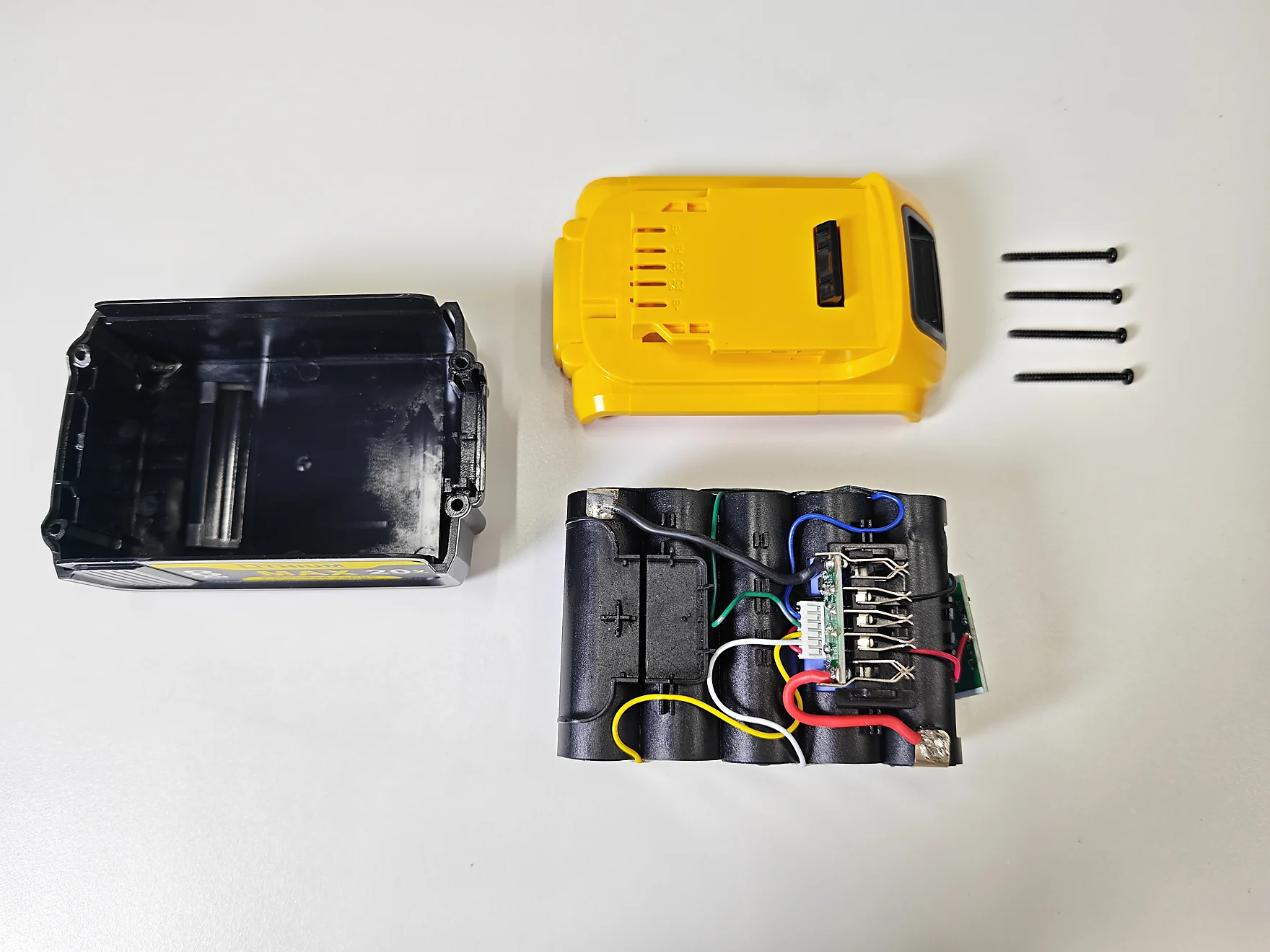
Inside a Replacement Lithium-Ion Battery Pack
Explore cells, protection electronics, internal wiring and enclosure requirements, with a buyer-oriented evidence checklist.
Read the featured guide ↗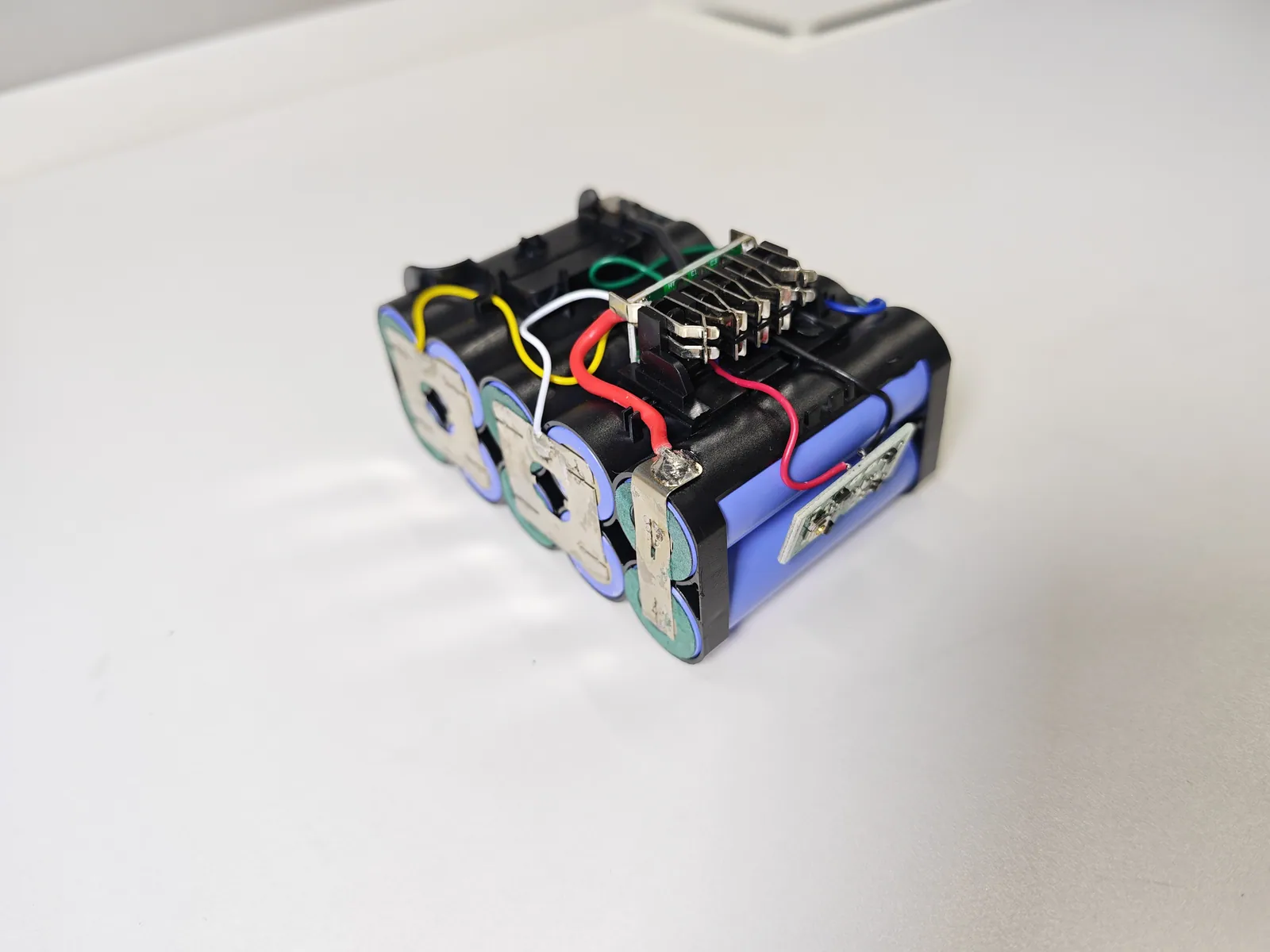
Engineering references, tool battery fit-checks and practical RFQ resources for OEM/ODM buyers. Browse technical topics, compare evidence requests, and prepare more complete specifications.
Understanding the parts and the evidence needed is the foundation for more specific technical sourcing questions.
Explore cells, protection electronics, internal wiring and enclosure requirements, with a buyer-oriented evidence checklist.
Read the featured guide ↗Choose a discipline to narrow the guides. Counts reflect the actual article directory, not a manually maintained claim.
Search exact topics or filter by discipline. All articles remain linked in the HTML, even without JavaScript.
18 articles in the Knowledge Hub
Physical components, interfaces and drawings a buyer should understand before approving a replacement battery design.
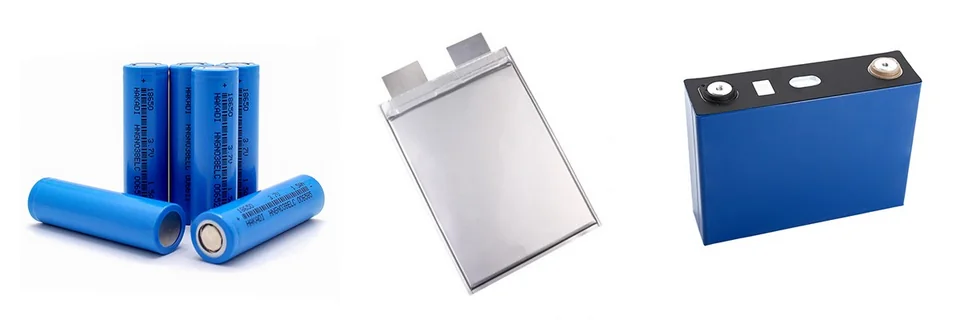
Compare cylindrical cell dimensions, packaging space and the evidence needed for a design choice.
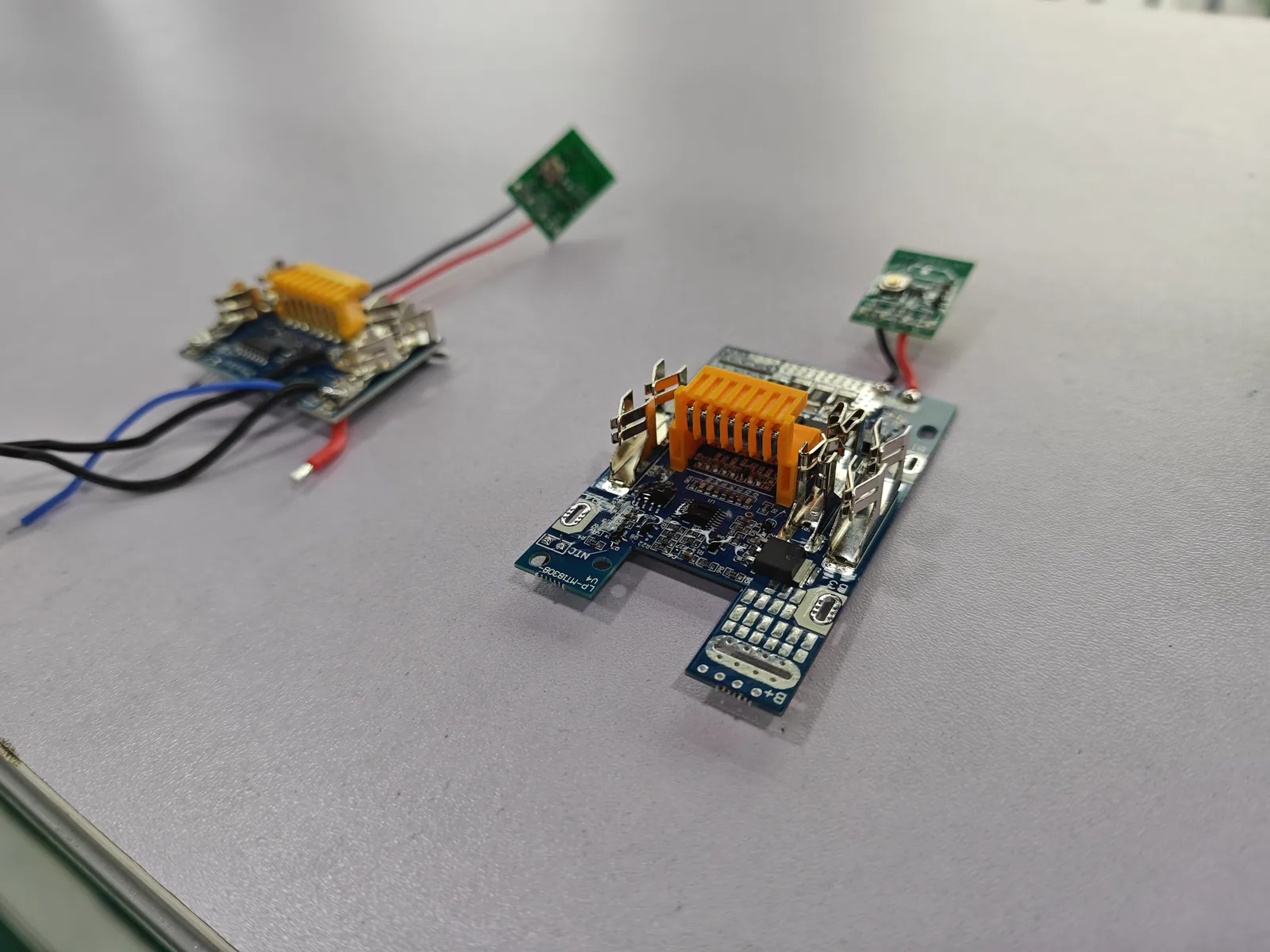
Understand what protection electronics may do and what supporting information a buyer should request.
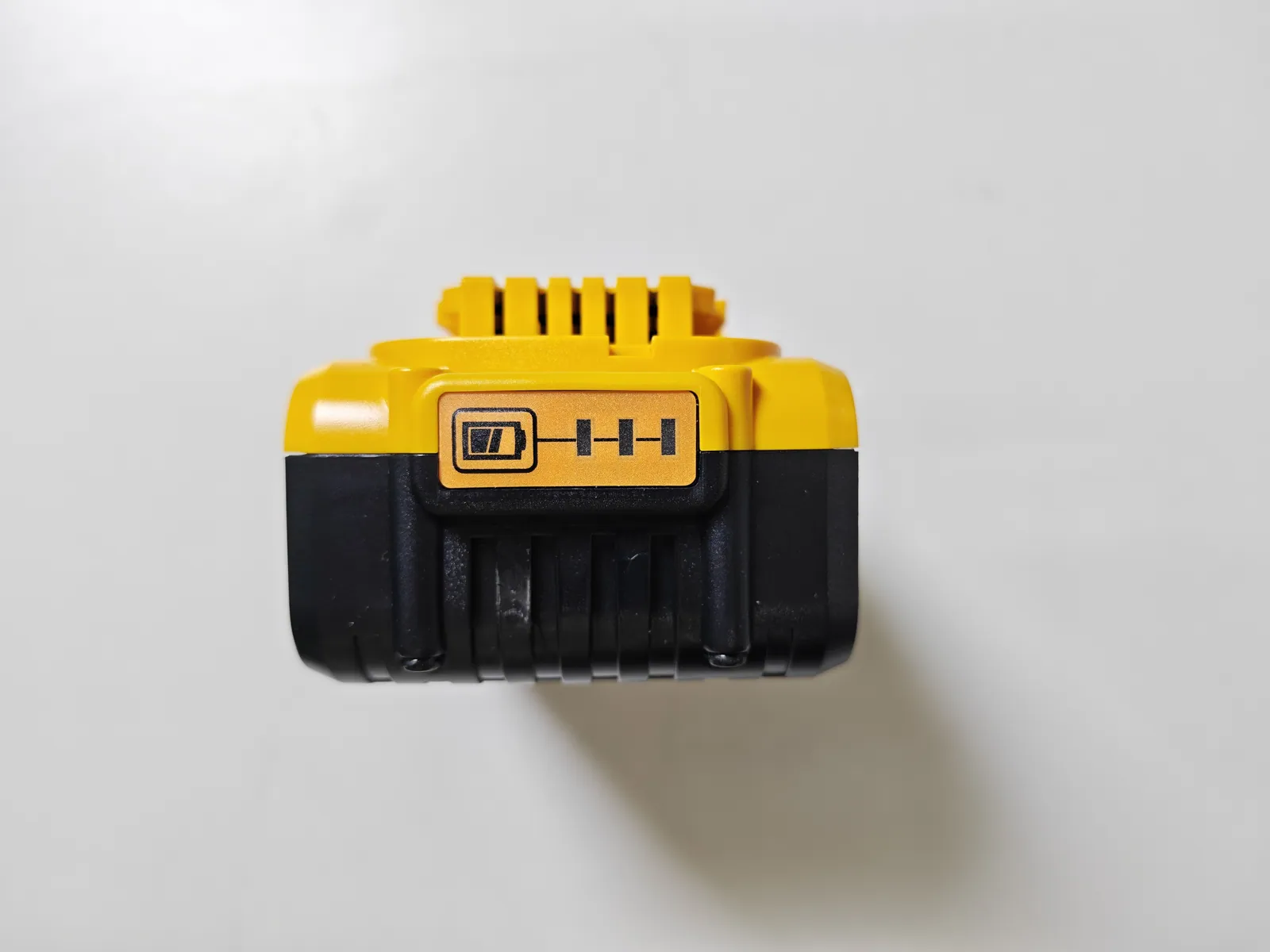
A repeatable model-and-interface verification process for replacement battery buyers.
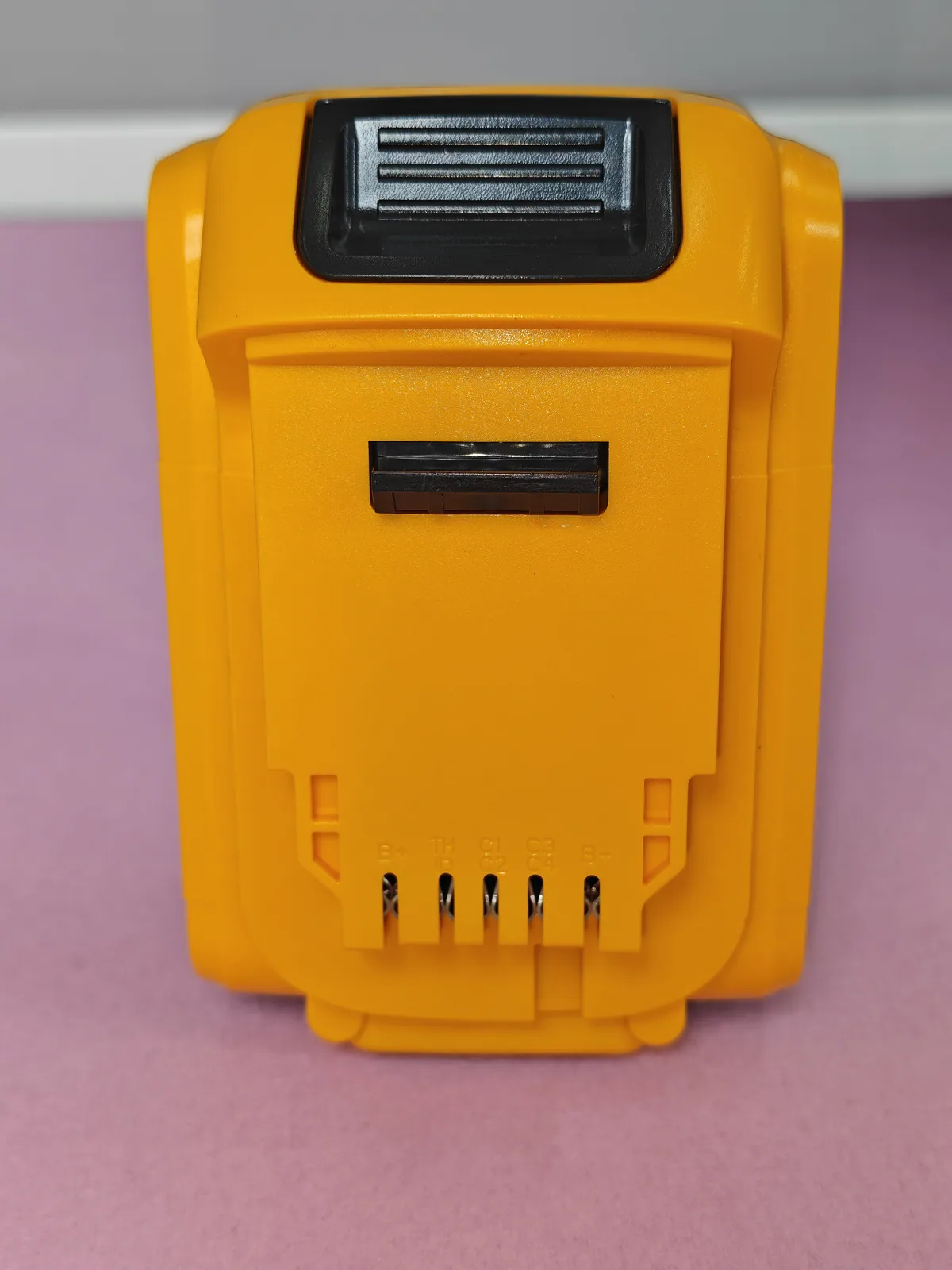
Prepare model references, electrical loads, interface drawings and acceptance requirements for a meaningful quote.

Coordinate packaging details, shipment identification and supporting documentation with the forwarder.
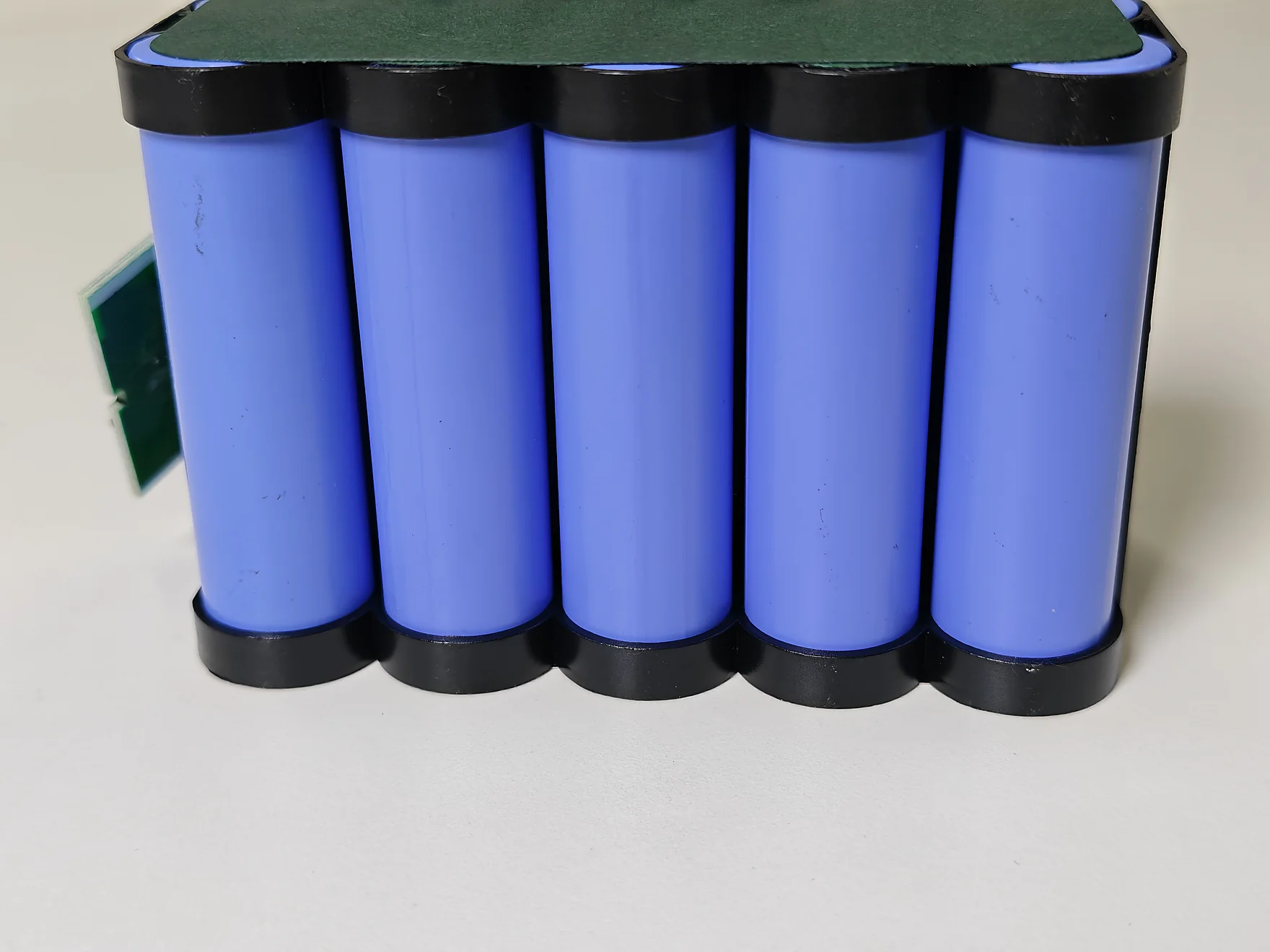
Separate nominal voltage, ampere-hours and energy from real-world runtime estimates.
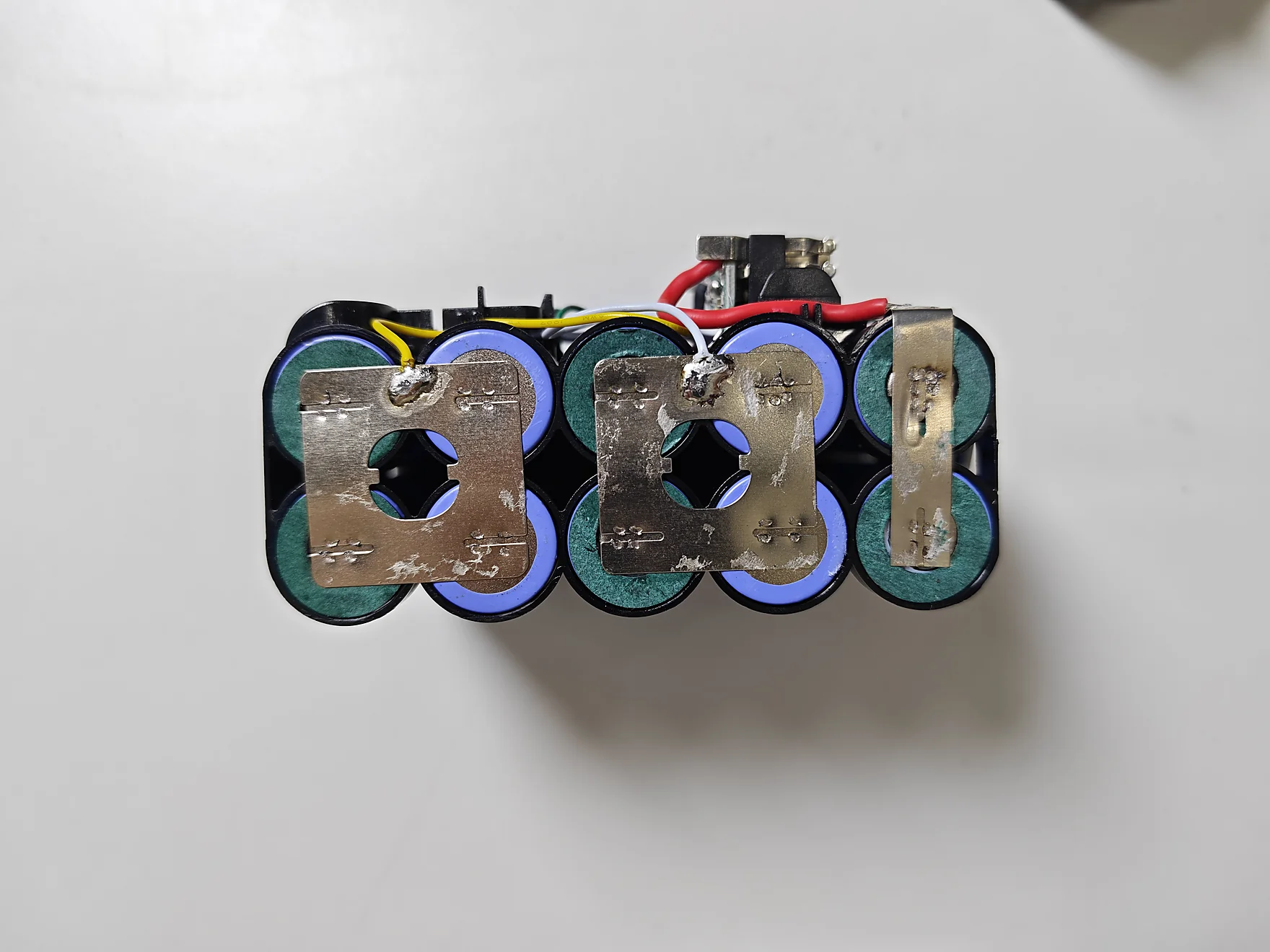
What connection strips, routing, insulation and inspection evidence can reveal about a proposed pack.
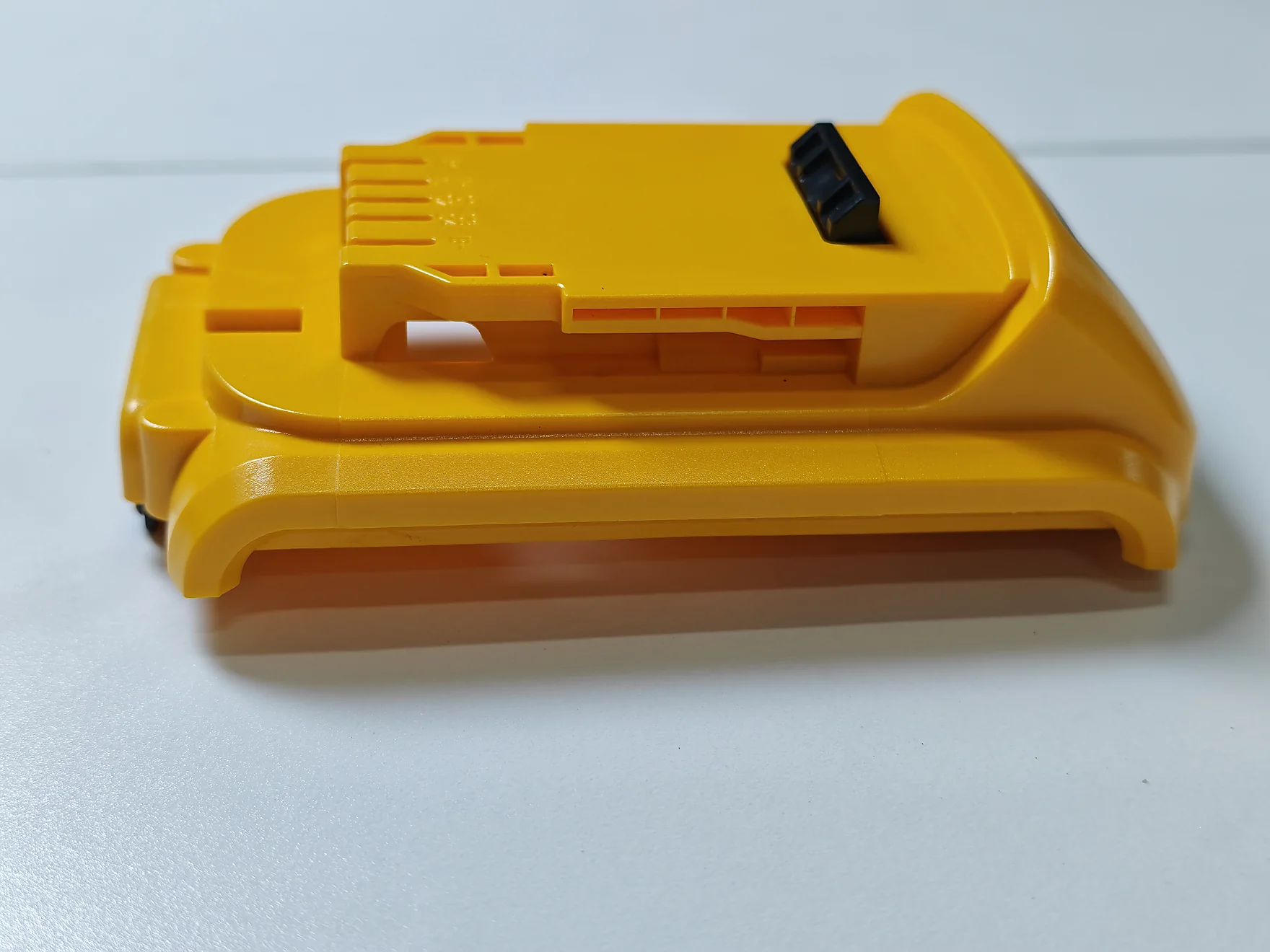
Review enclosure geometry, guide rails, retention features and physical fit before tooling approval.
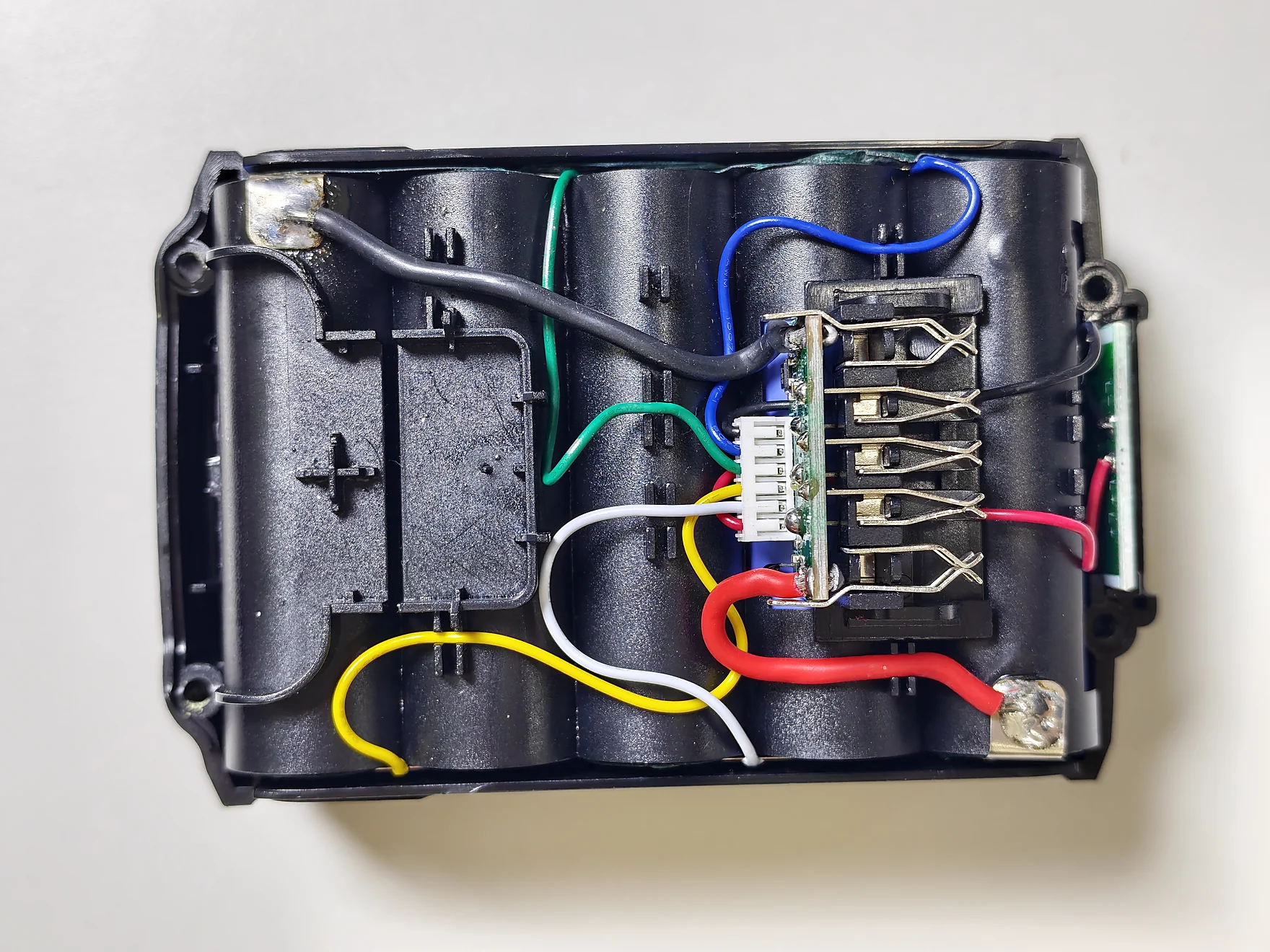
Identify the load, enclosure and sensor questions that a battery thermal review must answer.
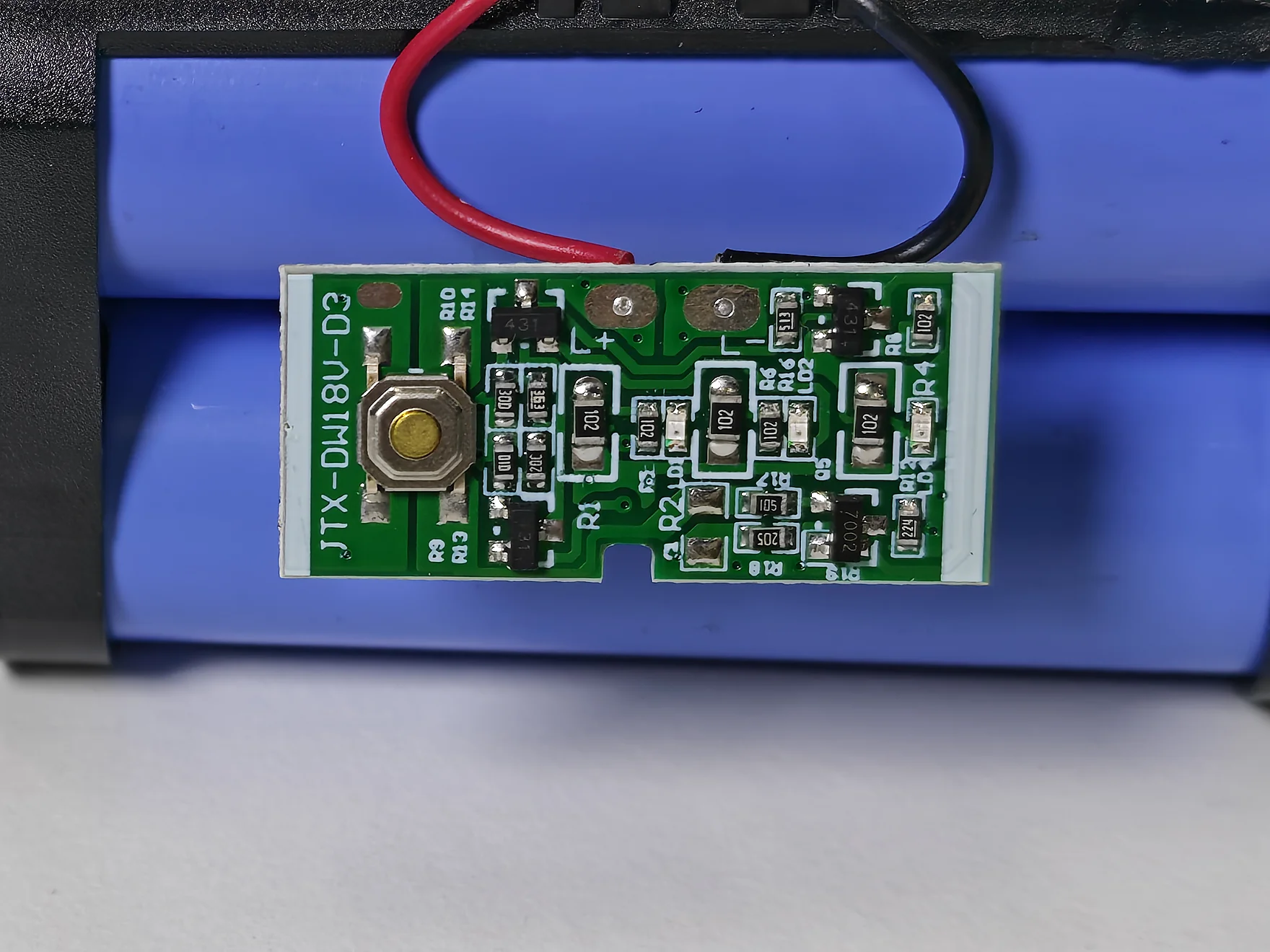
Translate the application, pack topology and communication requirements into a BMS review brief.
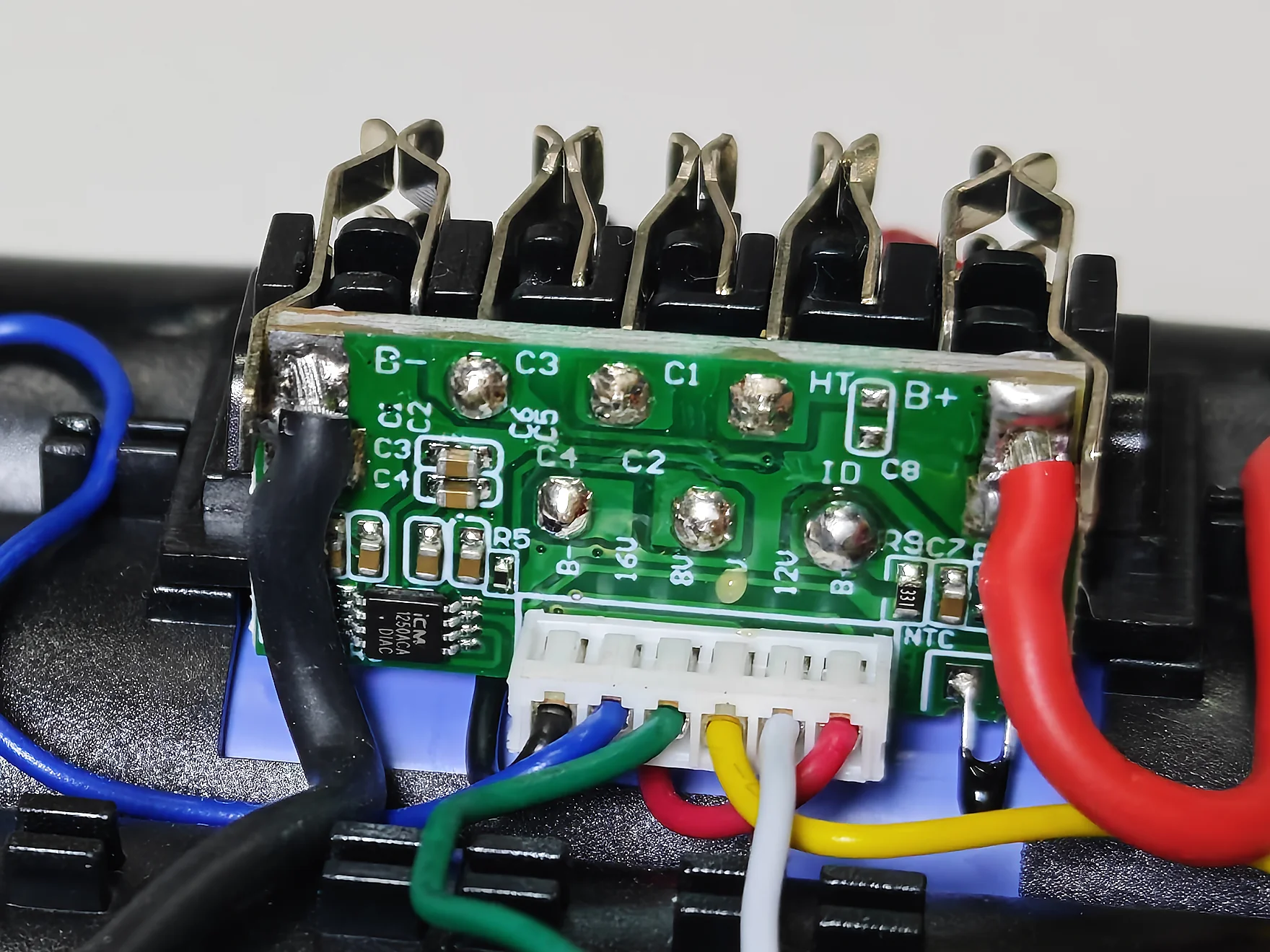
Prepare the contact assignment, harness routing and signal documentation for interface review.
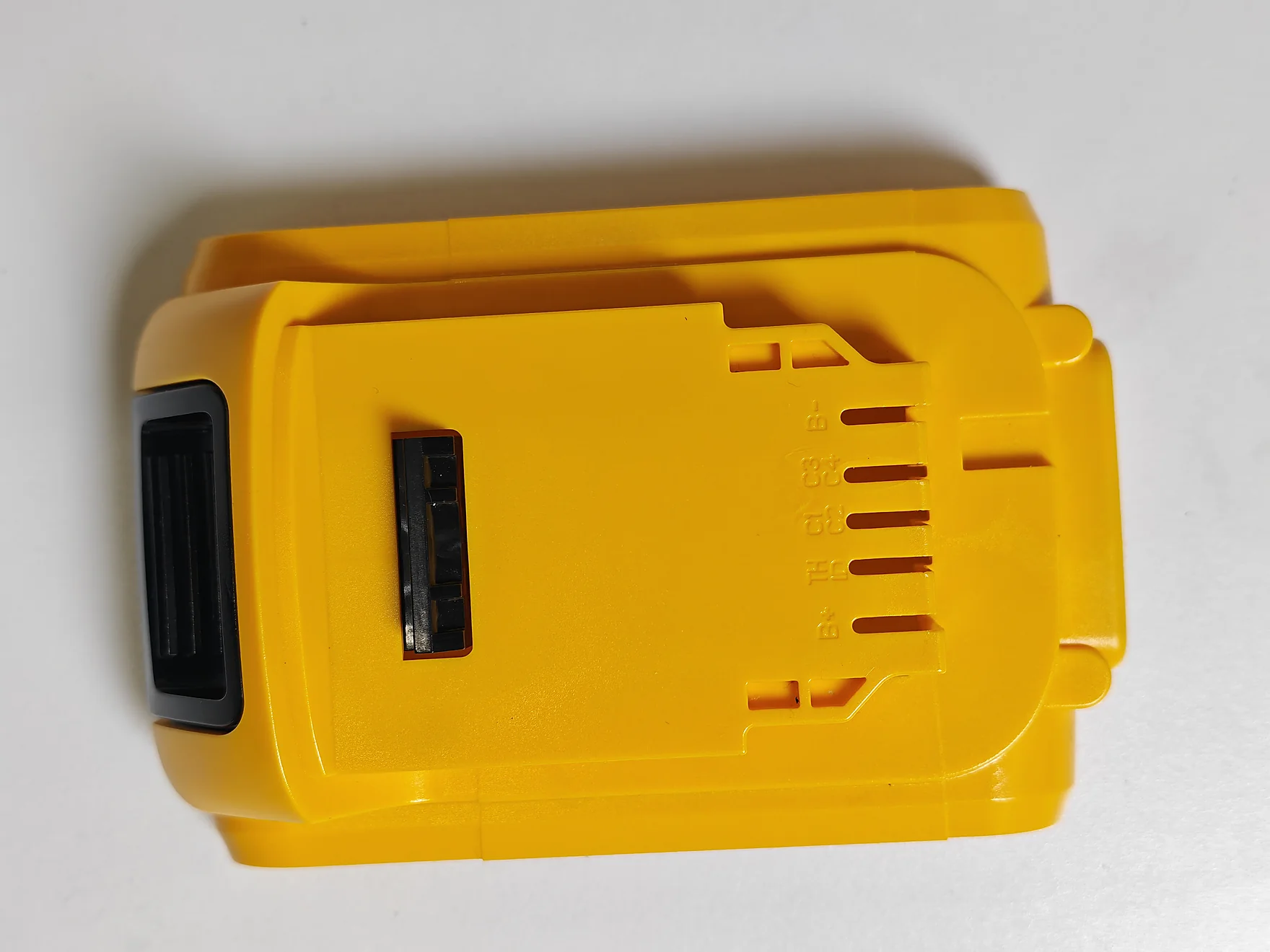
The underside, latch and contact photos a supplier needs for a preliminary fit assessment.
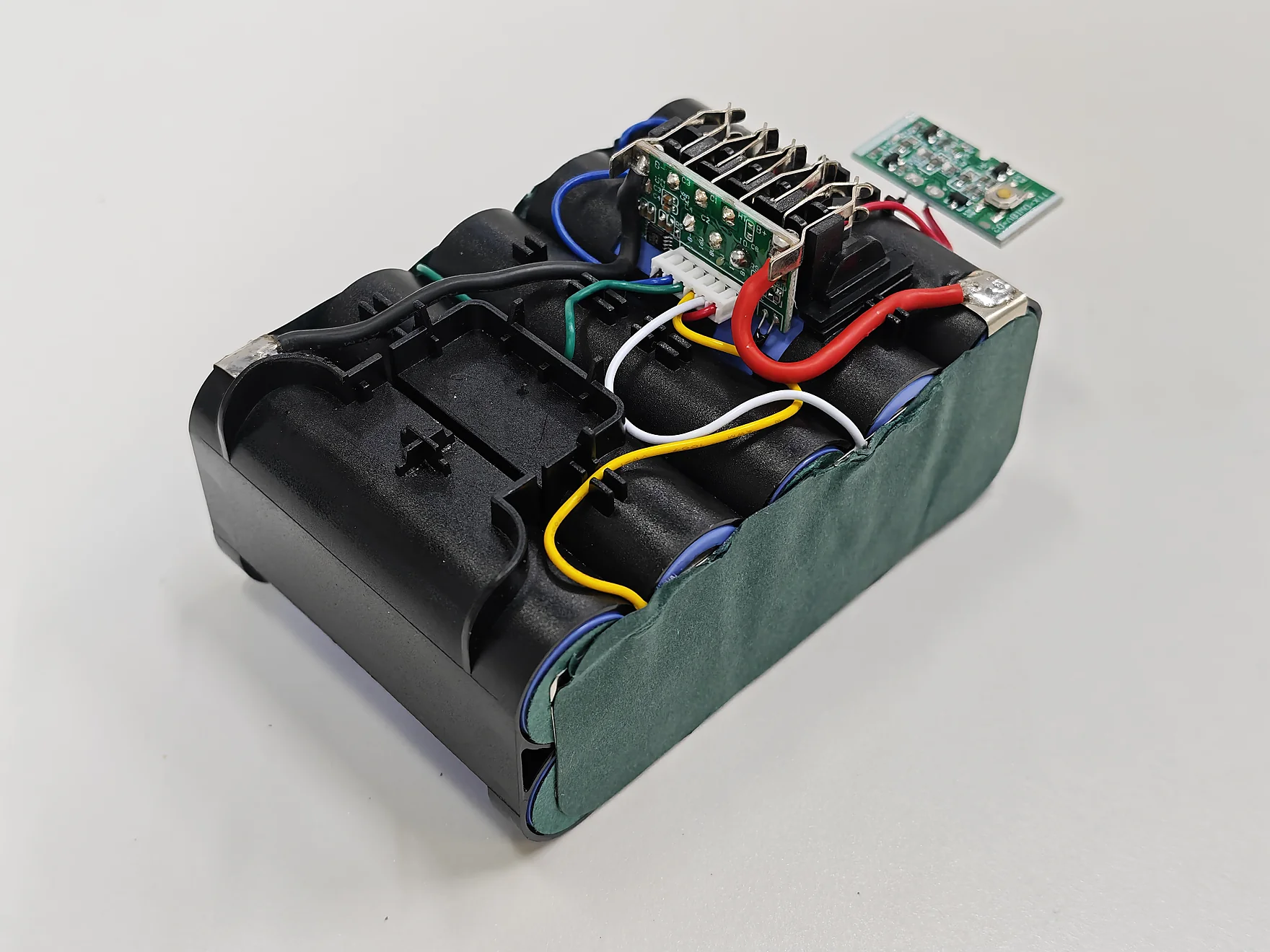
Know why matching pack shape or stated voltage is not enough to confirm charger compatibility.
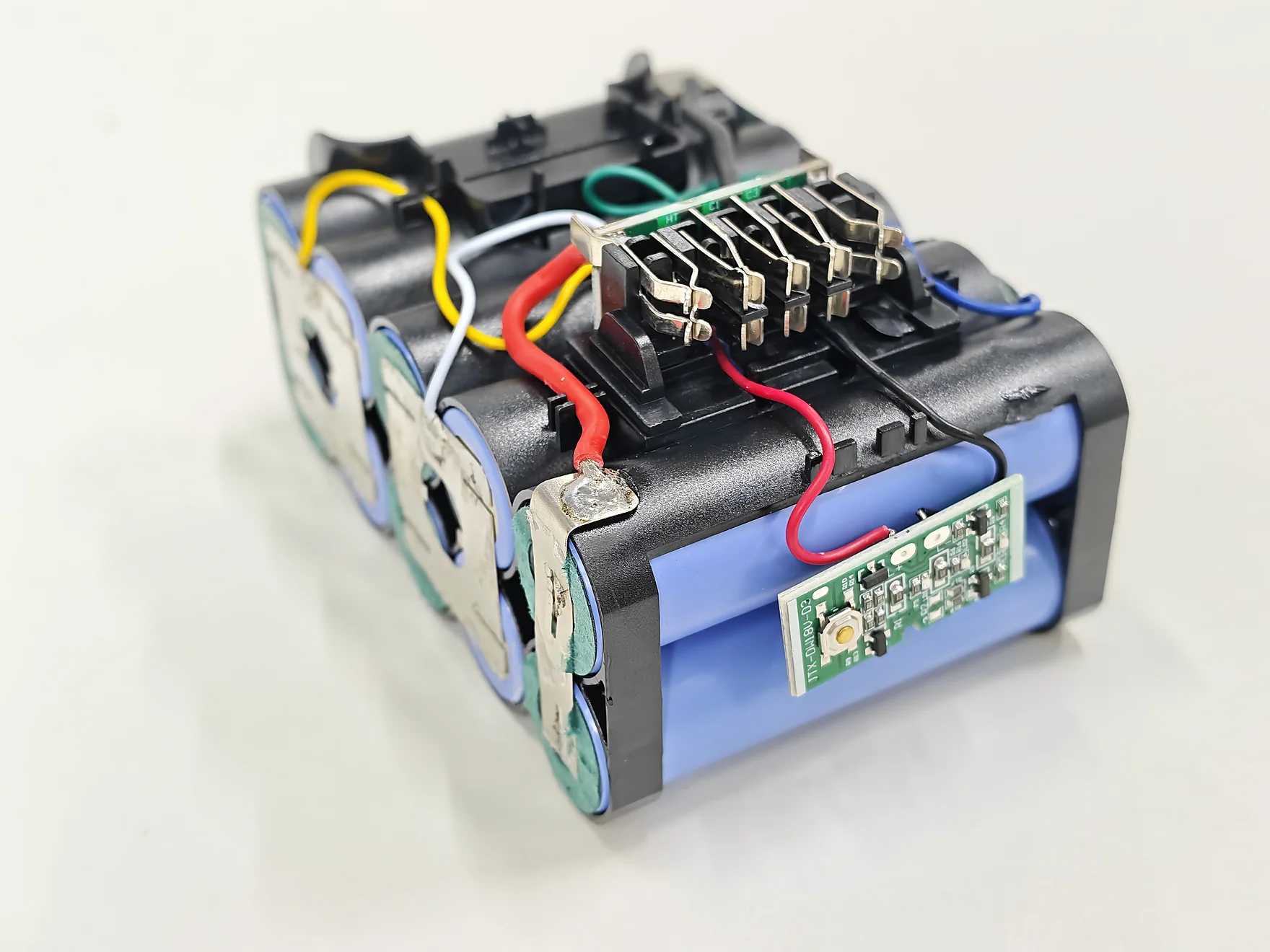
Compare supplied designs, responsibilities, tooling and change control between OEM and ODM programs.
Define sample acceptance, document traceability and decisions before ordering production units.
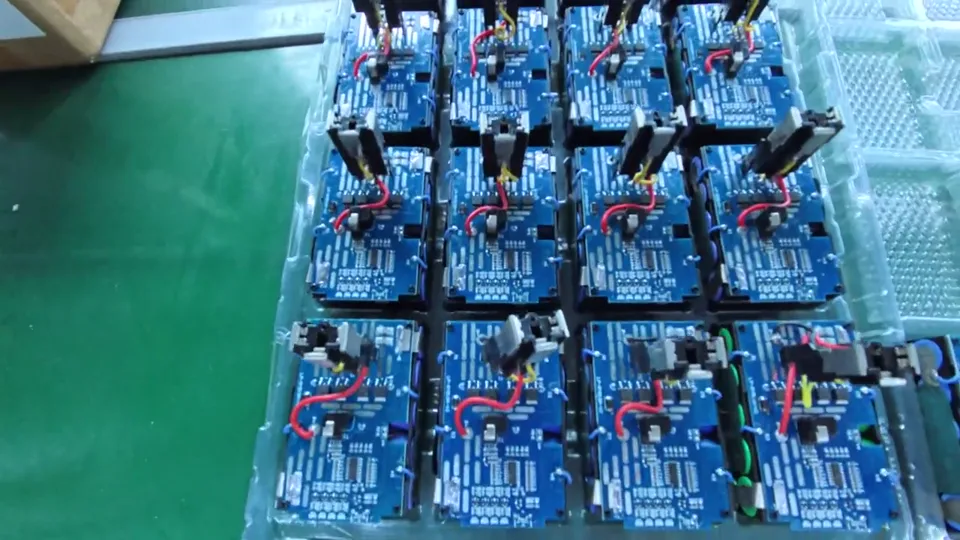
Use documentary evidence and repeatable qualification questions instead of marketing claims alone.

Identify the shipment and ask the responsible carrier and shipper for applicable current documentation.
No guides match your search. Try another topic.
Follow related guides to prepare a more complete specification or sourcing decision.
Understand pack structure, voltage and cells before sending an RFQ.
Learn how BMS, interconnections and connector definitions affect technical acceptance.
Work through sourcing model, supplier review and sample evaluation.
Start with the appropriate engineering or compatibility questions before requesting an OEM quotation.
Sample architecture, connections and component-level handoff requirements.
Explore engineering ↗Use exact tool and charger references rather than judging by housing shape alone.
Explore compatibility ↗