What this buyer guide helps you decide
Know why matching pack shape or stated voltage is not enough to confirm charger compatibility. This guide is written for importers, technical sourcing teams and OEM/ODM buyers who need to make an informed decision rather than rely on a product photograph or label. The goal is to identify the documents, reference samples and review questions that would make a technical discussion specific and actionable.
Use this article as a review framework, not a substitute for qualified engineering validation. The right outcome may be to request more evidence, change the requirement or postpone the purchasing decision until important interface or safety questions are resolved.
Identify the exact charger pairing
Collect the charger manufacturer, part number and revision, its label information, the battery reference and the intended market. Similar-shaped battery ports can be used across different electronic systems. Verify the charger output characteristics and what the pack is designed to accept through approved specifications, not by looking at the connector or relying on the pack's nominal voltage alone.
Buyer action: record the exact application and target model or design revision first. When a supplier responds, ask which part of the statement is a generic engineering principle and which part is supported by information for the battery being quoted.
Inspect the mechanical and electrical interface
Check the intended docking position, contacts, latching or retention features and the ability to seat the pack without force. The electrical review must address polarity, voltage limits, temperature-sense contacts and any identification or communications lines required by the system. A tool that runs from a battery does not prove that an associated charger will safely recharge it.
Buyer action: ask for a drawing, datasheet or interface definition that can be compared against the physical reference. Treat any unverified number, claimed certification or visual inference as an open question rather than an approved requirement.
Define a controlled validation process
Ask the responsible engineering team for a test plan using approved sample units and instrumented observations as appropriate. A check should account for charge start, normal progression, termination, protective response and behavior under relevant environmental conditions. Do not bypass protective contacts, bridge terminals or modify the charger to make an incompatible pack operate. The correct outcome may be 'not compatible.'
Buyer action: coordinate electrical, mechanical and sourcing reviewers instead of letting one successful demonstration stand in for all application conditions. Record open issues and the owner responsible for the answer.
Document scope and exceptions
A complete compatibility statement should identify the exact charger models and versions evaluated, the battery design revision and the acceptance basis. Record failed or untested combinations instead of generalizing from one successful fit. If cell choice or BMS firmware changes, determine whether charger validation must be repeated. Sales listings should never infer universal charger support from a shared physical connector.
Buyer action: write the evidence requested, the relevant revision and the agreed acceptance conditions into the project file. This makes later quotation comparisons and sample approvals easier to audit.
Procurement worksheet: information to request
Use the following fields to create a comparison that another reviewer can follow. An unfilled field should stay marked “to confirm”—do not assume that an equivalent-looking sample has the same underlying specifications.
- Exact charger and pack part numbers
- Charging electrical specification
- Contact map and polarity evidence
- Sense or communication requirements
- Qualified sample test plan
- Approved compatibility list by version
For each response, store the supplier document reference, its revision, date, and the person responsible for approving it. The checklist supports discussion; it is not evidence that any test or inspection has already been completed.
Frequently asked buying questions
Can I charge a pack because it fits the dock?
No. Compatible mechanical fit is not sufficient to establish safe charger operation.
Can I bridge an extra contact to test compatibility?
No. Never bypass sensing or protective functions; escalate to qualified engineering review.
A practical buyer decision scenario
A battery operates a tool, leading the seller to assume it can also be charged in the original dock. That inference is unsafe. Determine the exact charger model and battery electronics revision, then review the required contact allocation, control signals and charge limits from approved specifications. A qualified test plan should cover expected normal and protective behavior. If those records are unavailable, the seller should not market the pairing as tested or tell users to bridge contacts to make it work.
Review record
For each item below, name the evidence source and keep unresolved findings separate from confirmed results. Copy the rows into the project review file rather than relying on memory or a sales chat.
| Information to verify | Source and revision | Decision status |
|---|---|---|
| Exact charger and pack part numbers | Document / revision / responsible reviewer: __________ | Open · Confirmed · Not applicable |
| Charging electrical specification | Document / revision / responsible reviewer: __________ | Open · Confirmed · Not applicable |
| Contact map and polarity evidence | Document / revision / responsible reviewer: __________ | Open · Confirmed · Not applicable |
| Sense or communication requirements | Document / revision / responsible reviewer: __________ | Open · Confirmed · Not applicable |
| Qualified sample test plan | Document / revision / responsible reviewer: __________ | Open · Confirmed · Not applicable |
| Approved compatibility list by version | Document / revision / responsible reviewer: __________ | Open · Confirmed · Not applicable |
Once the buyer and supplier have agreed the open questions, the next step is a revision-specific sample or document review. No illustrative image in this article should be treated as a passed test.
Sources and verification boundaries
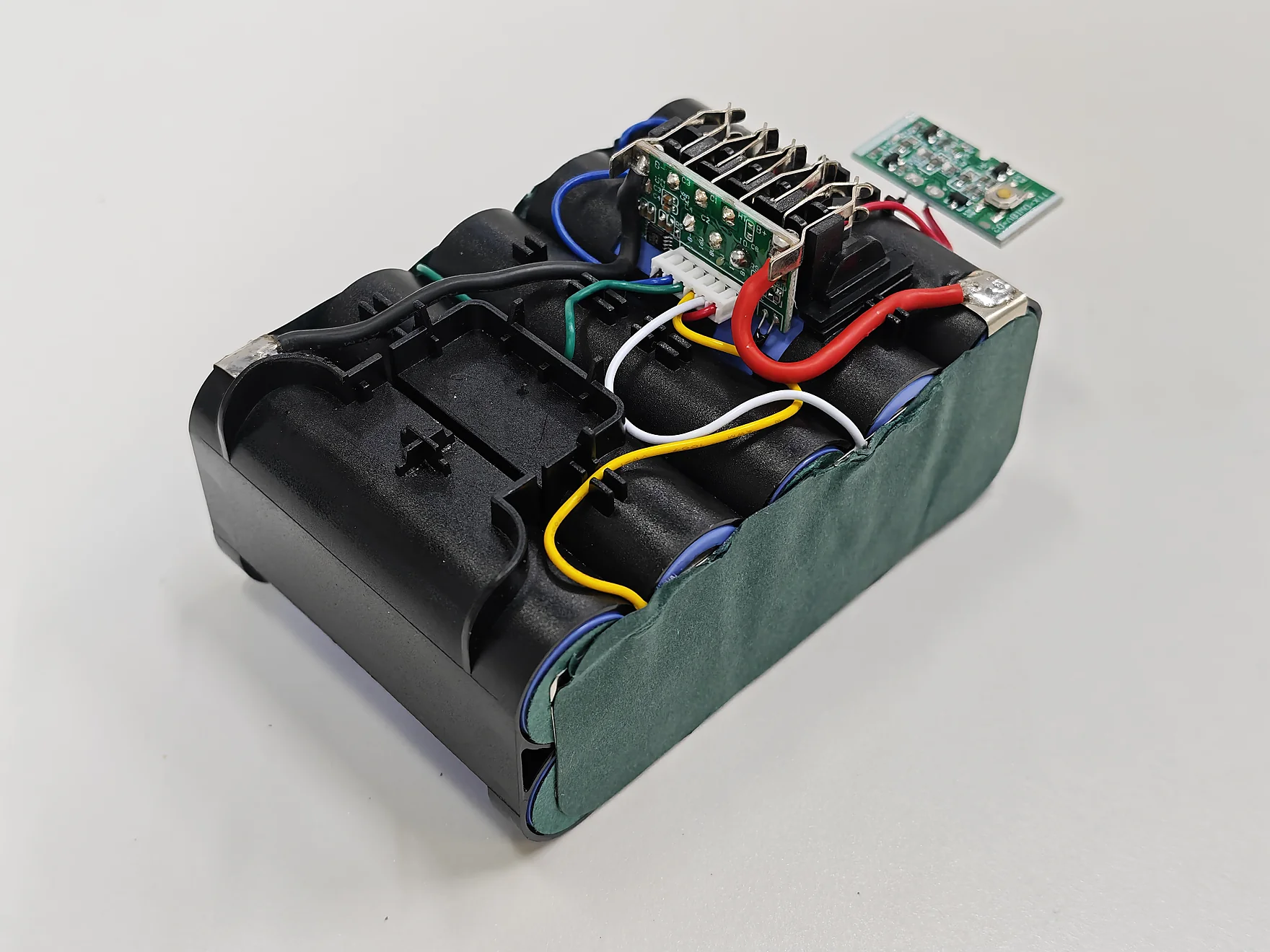
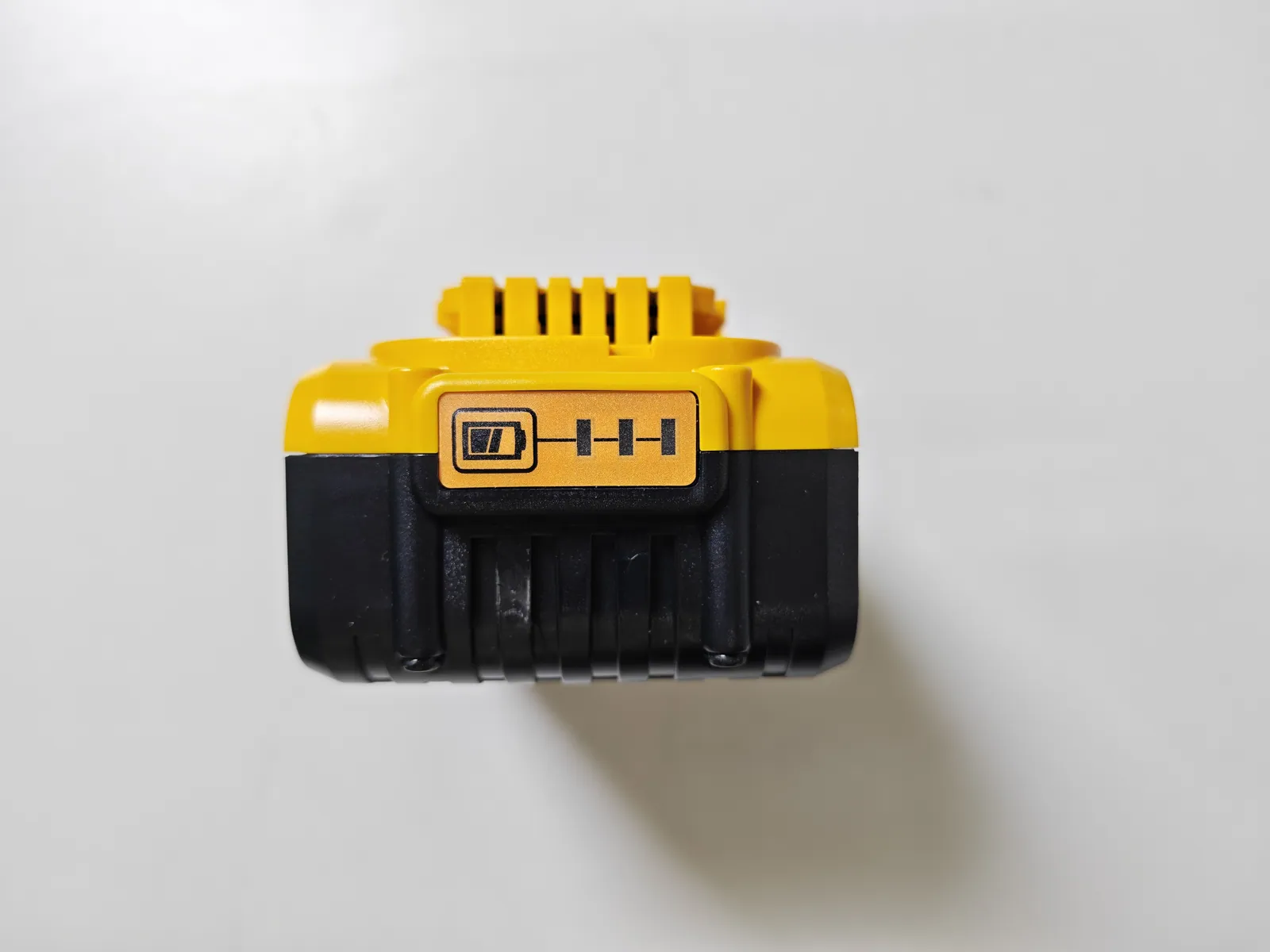
This is an educational buyer checklist. Sample imagery illustrates visible components and handling situations; it does not demonstrate performance, factory ownership, compatibility approval, testing or certifications. Validate any model-specific statements using the manufacturer’s current datasheet, approved drawings, test records and applicable shipment rules before relying on them for procurement.
For a commercial project, request records identifying the offered hardware revision and consult a qualified engineering or dangerous-goods professional where appropriate. VOLTBATT has not represented the illustrative photographs as a verified specification for your particular application.