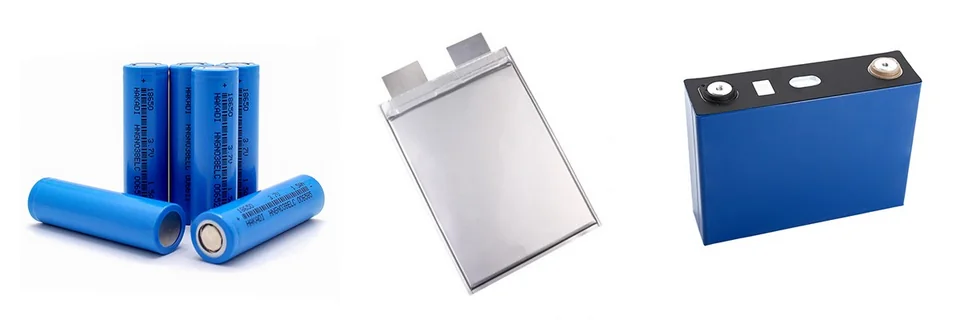
What the size names describe
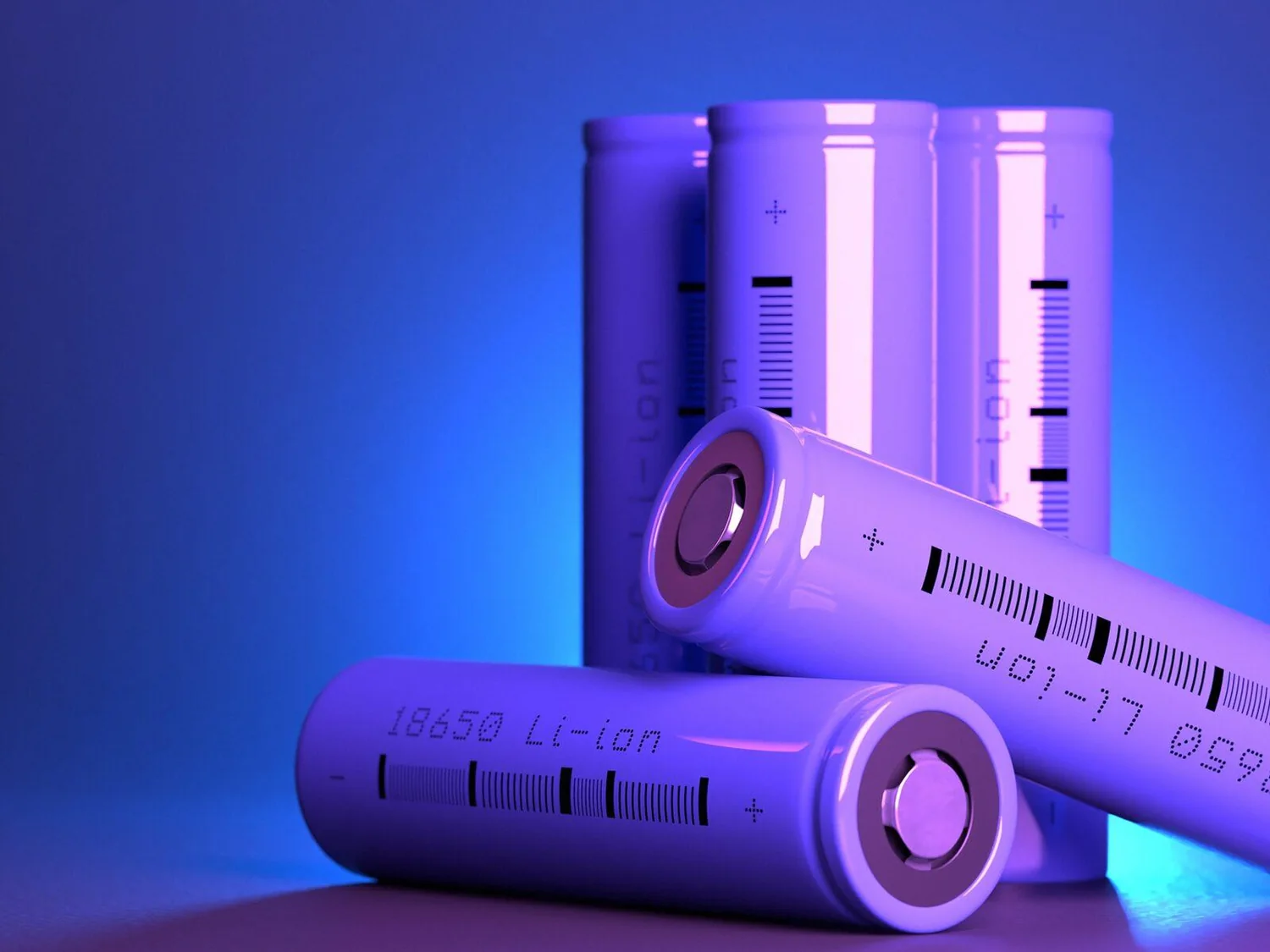
The designations 18650 and 21700 refer to widely used cylindrical-cell form factors. They are commonly described as approximately 18 mm diameter by 65 mm long and 21 mm diameter by 70 mm long, respectively; actual mechanical tolerances and terminal details depend on the cell manufacturer.
The form factor is not itself a statement of chemistry, usable capacity, current capability or quality. Cells of the same general size can have materially different data-sheet limits.
- Start with approved cell data sheets.
- Check physical tolerances and terminal design.
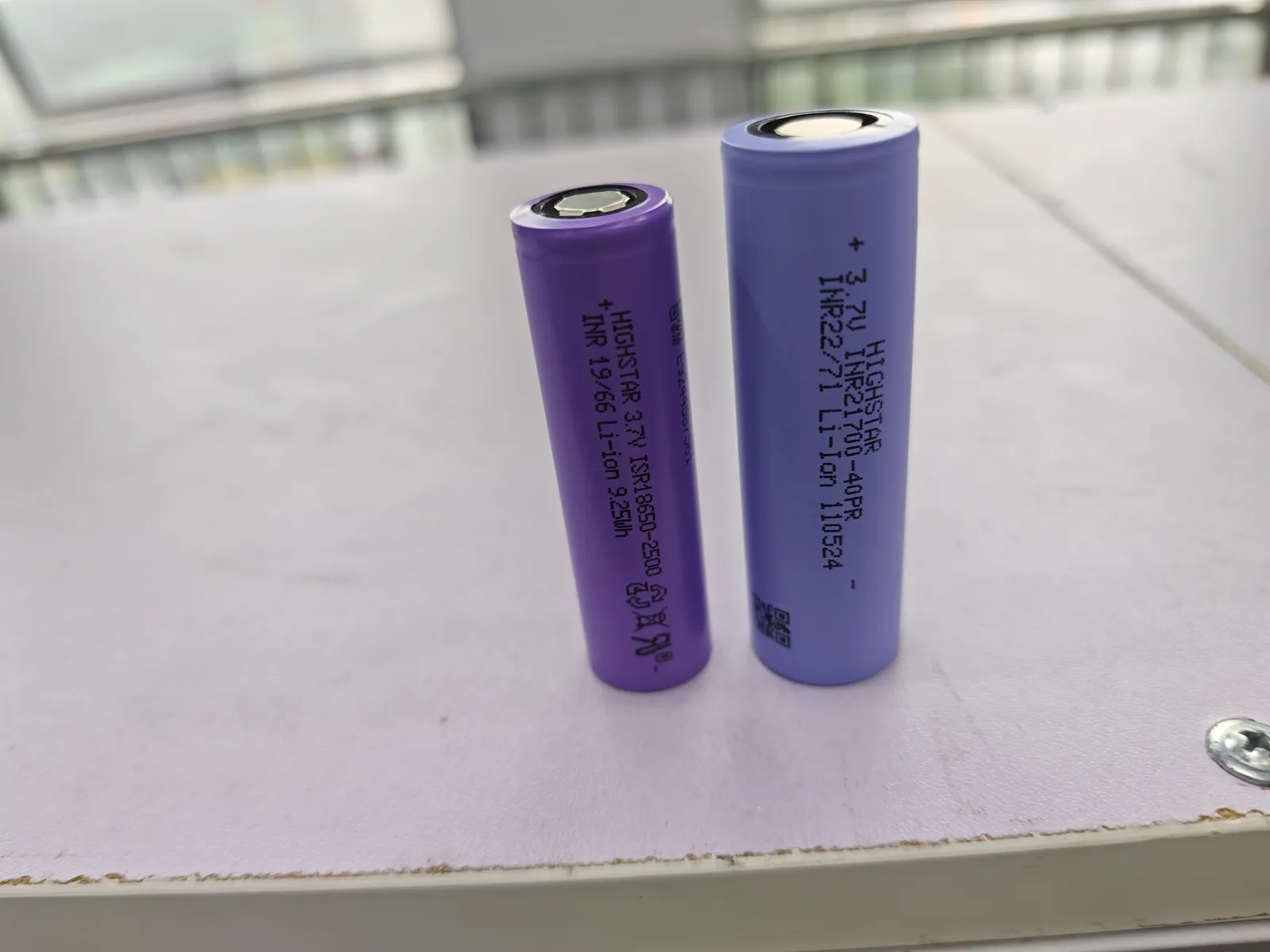
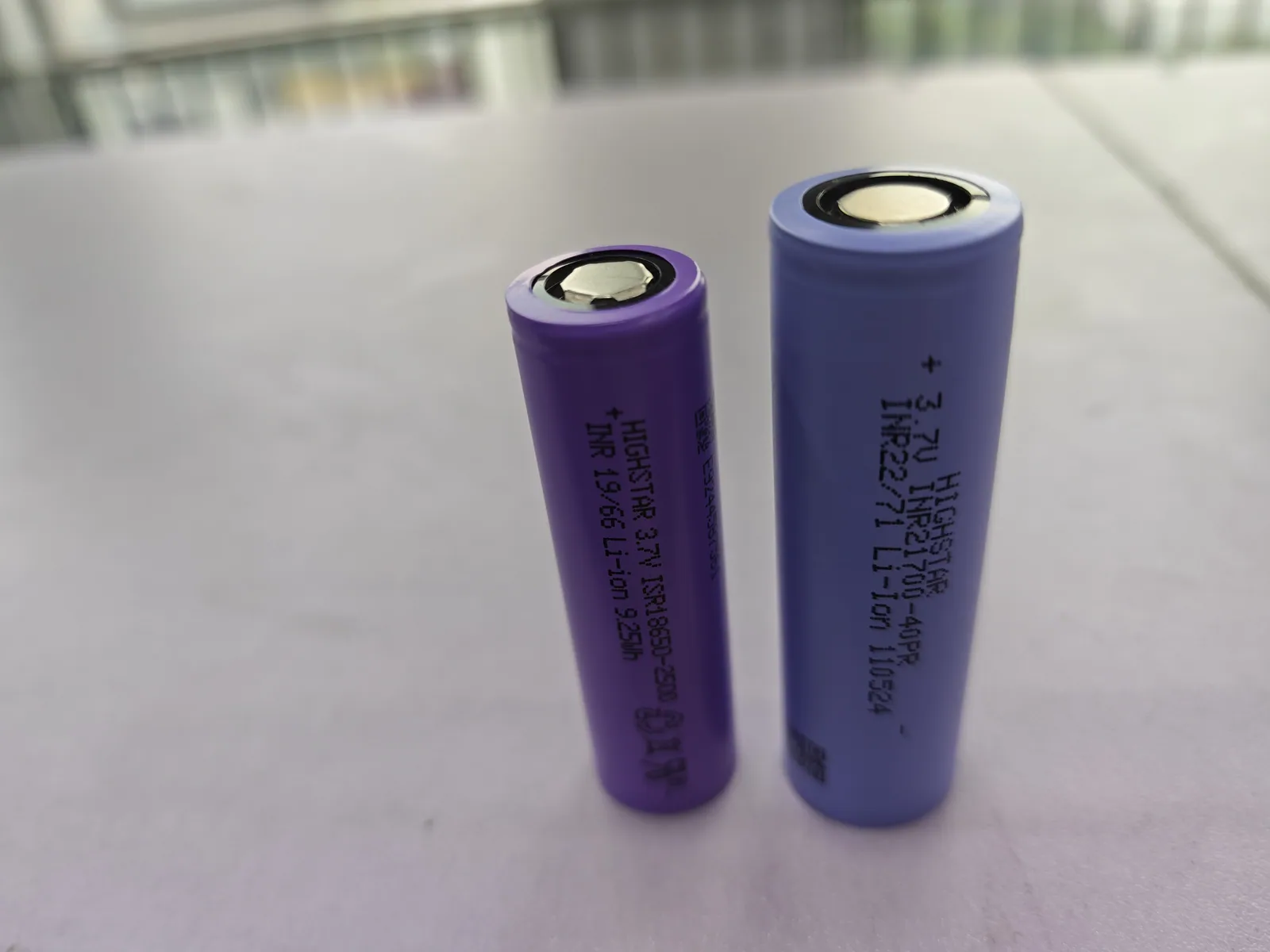
- Do not infer cell chemistry from wrapper color.
The trade-off is more than capacity
A larger physical cell may affect the pack envelope, the number of cells that fit, the interconnect approach and thermal behavior. That does not make one format automatically preferable in every power tool or vacuum application.
Choose according to the target voltage, current profile, available space, total pack weight and the cell manufacturer's documented performance under the intended conditions.
- Capacity at the intended discharge conditions
- Required continuous and peak load
- Pack weight and allowable dimensions
- Cell sourcing and configuration consistency
Review the complete architecture
The number of cells in series affects nominal voltage; parallel arrangement affects capacity and current sharing. The finished pack still requires suitable protection electronics, interconnections, insulation, mechanical retention and thermal consideration.
Photographs show some of these elements, but they cannot establish how a particular pack performs. Agree on an engineering specification and sample validation procedure.
- Requested electrical configuration
- Interconnect and insulation design
- BMS and charger requirements
- Acceptance tests and measurement conditions
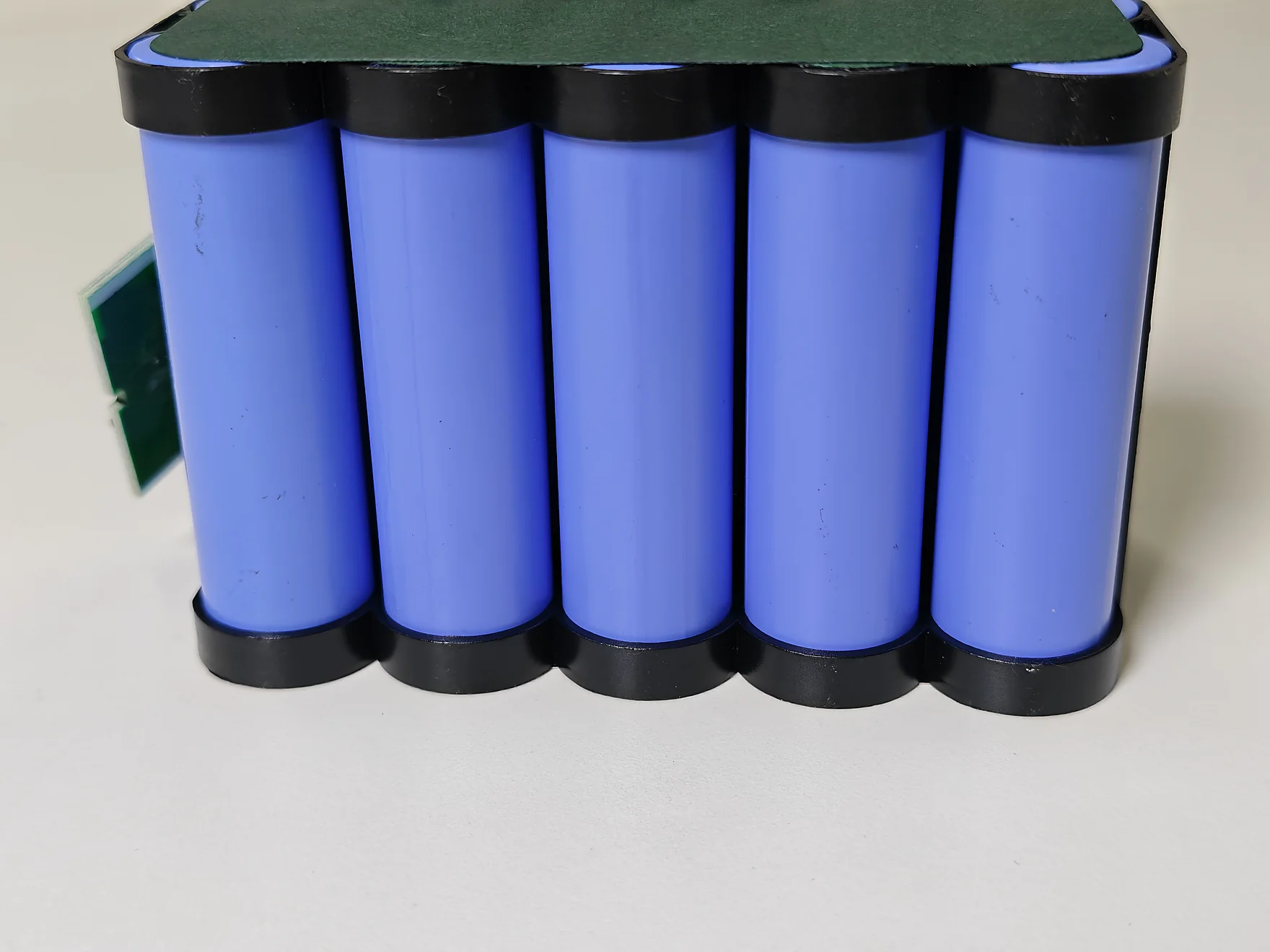
Selected original footage from the supplied material library. Not a certification or compatibility test.
Questions for the OEM supplier
Ask which exact cell maker and model are proposed, what is available for the project volume, and whether the pack design can be revised without changing the approved performance and safety basis.
Require clear documentation for the finished model and a controlled approval process if components change.
- Approved cell manufacturer and model
- Cell and finished-pack specifications
- Traceability and change control
- Sample test plan tied to expected end use
Use dimensions as a packaging input, not a performance ranking
The conventional cylindrical designations refer approximately to diameter and length: 18650 cells are around 18 mm by 65 mm, while 21700 cells are around 21 mm by 70 mm. Manufacturers' exact dimensions and tolerances must come from their datasheets. A larger cell may allow different capacity and layout trade-offs, but its capacity, permissible current, chemistry and cycle life cannot be established from the size alone. Holders, contacts and thermal space also affect which format works inside a specific enclosure.
Practical next step: make this a written review item with a named drawing or sample revision, evidence request and responsible reviewer. The same checklist can then be used consistently when comparing suppliers or evaluating a revised prototype.
Prepare a format comparison without choosing by color
Make two candidate pack layouts using the same outside housing dimensions, the intended electrical voltage and required energy. For each, confirm the exact cell part number, datasheet, series/parallel arrangement, retention and cooling implications, and realistic procurement availability. Ask for estimates backed by a design calculation, then make sample validation part of the decision. Blue, purple or green wraps are visual identifiers at best; they are not evidence of particular chemistry or electrical capabilities.
Practical next step: make this a written review item with a named drawing or sample revision, evidence request and responsible reviewer. The same checklist can then be used consistently when comparing suppliers or evaluating a revised prototype.
Buyer worksheet: evidence to collect
Use these fields before asking for a firm technical approval or quotation. A missing field should be flagged for follow-up rather than assumed to match an earlier model.
- Candidate cell part number
- Manufacturer datasheet and tolerance
- Series/parallel configuration
- Available enclosure dimensions
- Load and capacity test conditions
- Sample approval criteria
Attach the supplier supporting record and date to each field. A sample photo or video can show visible features but not certify protective performance, exact compatibility, factory ownership or transport eligibility.
A practical buyer decision scenario
Imagine two candidate pack layouts for one enclosure. The 21700 proposal may use a different number of physical cells and holders from the 18650 proposal. The choice cannot be based on cell size or wrap color alone: required energy, discharge behavior, pack topology, availability and approval testing still have to be reviewed. Ask the supplier to show the calculated design constraints for both arrangements using identified manufacturer cell datasheets. Compare those calculations with physical sample fit and load validation before selecting either option.
Review record
For each item below, name the evidence source and keep unresolved findings separate from confirmed results. Copy the rows into the project review file rather than relying on memory or a sales chat.
| Information to verify | Source and revision | Decision status |
|---|---|---|
| Candidate cell part number | Document / revision / responsible reviewer: __________ | Open · Confirmed · Not applicable |
| Manufacturer datasheet and tolerance | Document / revision / responsible reviewer: __________ | Open · Confirmed · Not applicable |
| Series/parallel configuration | Document / revision / responsible reviewer: __________ | Open · Confirmed · Not applicable |
| Available enclosure dimensions | Document / revision / responsible reviewer: __________ | Open · Confirmed · Not applicable |
| Load and capacity test conditions | Document / revision / responsible reviewer: __________ | Open · Confirmed · Not applicable |
| Sample approval criteria | Document / revision / responsible reviewer: __________ | Open · Confirmed · Not applicable |
Once the buyer and supplier have agreed the open questions, the next step is a revision-specific sample or document review. No illustrative image in this article should be treated as a passed test.
Frequently asked buyer questions
Is a larger cylindrical cell automatically better?
No. Choice depends on the cell datasheet, configuration, load, thermal and enclosure constraints.
Can the cell wrap color identify its chemistry?
No. Use a confirmed manufacturer part number and supporting datasheet.
Evidence and verification
Use current product datasheets, approved interface drawings, exact model references and revision-controlled test records for project-specific claims. If transport obligations, certification or market access is involved, the responsible specialist must verify the current requirements for the exact product and route. These illustrative images do not replace that review.
Documentation matters: These images and short demonstrations are illustrative. Compatibility, production capability, protection performance, certification and shipping eligibility must be supported by model-specific data and applicable records.