
What this buyer guide helps you decide
Identify the shipment and ask the responsible carrier and shipper for applicable current documentation. This guide is written for importers, technical sourcing teams and OEM/ODM buyers who need to make an informed decision rather than rely on a product photograph or label. The goal is to identify the documents, reference samples and review questions that would make a technical discussion specific and actionable.
Use this article as a review framework, not a substitute for qualified engineering validation. The right outcome may be to request more evidence, change the requirement or postpone the purchasing decision until important interface or safety questions are resolved.
Classify the actual shipment first
Transport requirements differ depending on battery chemistry, configuration, energy rating and whether batteries travel alone, packed with equipment or contained in equipment. The route and transport mode also matter. Ask the shipper to identify the product and intended shipping configuration before compiling documents. A product photograph or packaging video does not establish the correct transport classification.
Buyer action: record the exact application and target model or design revision first. When a supplier responds, ask which part of the statement is a generic engineering principle and which part is supported by information for the battery being quoted.
Understand the categories of records
A buyer may need model identification, applicable test-summary evidence, product safety documentation, transport declarations, packing details, labels and handling instructions depending on the shipment. The exact set must be determined from current rules and carrier policies. A material safety document is not automatically a substitute for a UN 38.3 test summary or any declaration required for a particular route.
Buyer action: ask for a drawing, datasheet or interface definition that can be compared against the physical reference. Treat any unverified number, claimed certification or visual inference as an open question rather than an approved requirement.
Trace test evidence to the right battery
For lithium batteries, relevant UN 38.3 test-summary information should be checked for its relationship to the offered cell or battery type, including manufacturer and identification details. The responsible party should explain how the supplied product maps to the evidence. Do not assume a report for a different capacity, model or assembly automatically covers the shipment. Any uncertainty should be resolved with the shipper or qualified dangerous-goods specialist.
Buyer action: coordinate electrical, mechanical and sourcing reviewers instead of letting one successful demonstration stand in for all application conditions. Record open issues and the owner responsible for the answer.
Confirm route and carrier acceptance before booking
Ask the forwarding partner which current modal rules, carrier restrictions, documentation and packaging conditions apply to the selected origin, destination and route. Keep a dated record of decisions and evidence versions. This is a purchasing checklist, not legal or dangerous-goods shipping advice, and current requirements must be independently verified. Do not use an unrelated warehouse photo as proof that the pictured goods meet them.
Buyer action: write the evidence requested, the relevant revision and the agreed acceptance conditions into the project file. This makes later quotation comparisons and sample approvals easier to audit.
Procurement worksheet: information to request
Use the following fields to create a comparison that another reviewer can follow. An unfilled field should stay marked “to confirm”—do not assume that an equivalent-looking sample has the same underlying specifications.
- Battery model and shipping configuration
- Cell/battery identification and energy data
- Relevant test summary mapped to the product
- Current route and carrier requirements
- Packing, marks and declarations
- Date and approver of document check
For each response, store the supplier document reference, its revision, date, and the person responsible for approving it. The checklist supports discussion; it is not evidence that any test or inspection has already been completed.
Frequently asked buying questions
Is one shipping document enough for every route?
No. Requirements change with configuration, mode, carrier and jurisdiction.
Does an SDS replace a battery test summary?
Not necessarily. Each document serves a different purpose; confirm the actual requirement with the responsible specialist.
A practical buyer decision scenario
A shipment combines batteries and equipment, but the invoice lists only a broad accessory description. Before a forwarder can make a reliable acceptance decision, the shipment must be identified accurately. Ask the shipper for the relevant battery model, configuration and documents, and confirm which current modal rules and carrier conditions apply. Track the evidence version for the exact product offered. Do not infer approval from a photograph of packaged cartons or a certificate for a different battery model.
Review record
For each item below, name the evidence source and keep unresolved findings separate from confirmed results. Copy the rows into the project review file rather than relying on memory or a sales chat.
| Information to verify | Source and revision | Decision status |
|---|---|---|
| Battery model and shipping configuration | Document / revision / responsible reviewer: __________ | Open · Confirmed · Not applicable |
| Cell/battery identification and energy data | Document / revision / responsible reviewer: __________ | Open · Confirmed · Not applicable |
| Relevant test summary mapped to the product | Document / revision / responsible reviewer: __________ | Open · Confirmed · Not applicable |
| Current route and carrier requirements | Document / revision / responsible reviewer: __________ | Open · Confirmed · Not applicable |
| Packing, marks and declarations | Document / revision / responsible reviewer: __________ | Open · Confirmed · Not applicable |
| Date and approver of document check | Document / revision / responsible reviewer: __________ | Open · Confirmed · Not applicable |
Once the buyer and supplier have agreed the open questions, the next step is a revision-specific sample or document review. No illustrative image in this article should be treated as a passed test.
Sources and verification boundaries
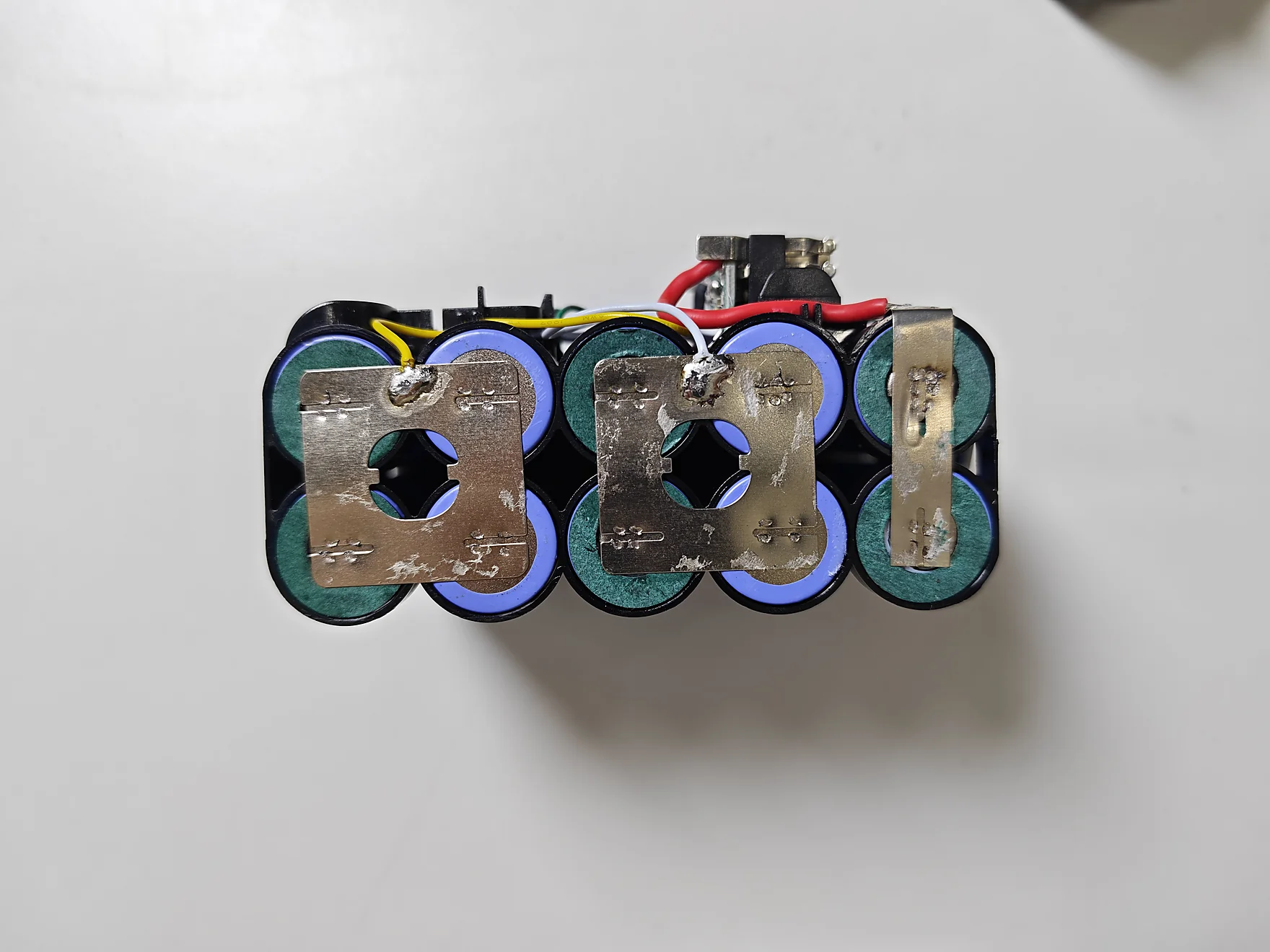
This is an educational buyer checklist. Sample imagery illustrates visible components and handling situations; it does not demonstrate performance, factory ownership, compatibility approval, testing or certifications. Validate any model-specific statements using the manufacturer’s current datasheet, approved drawings, test records and applicable shipment rules before relying on them for procurement.
For a commercial project, request records identifying the offered hardware revision and consult a qualified engineering or dangerous-goods professional where appropriate. VOLTBATT has not represented the illustrative photographs as a verified specification for your particular application.