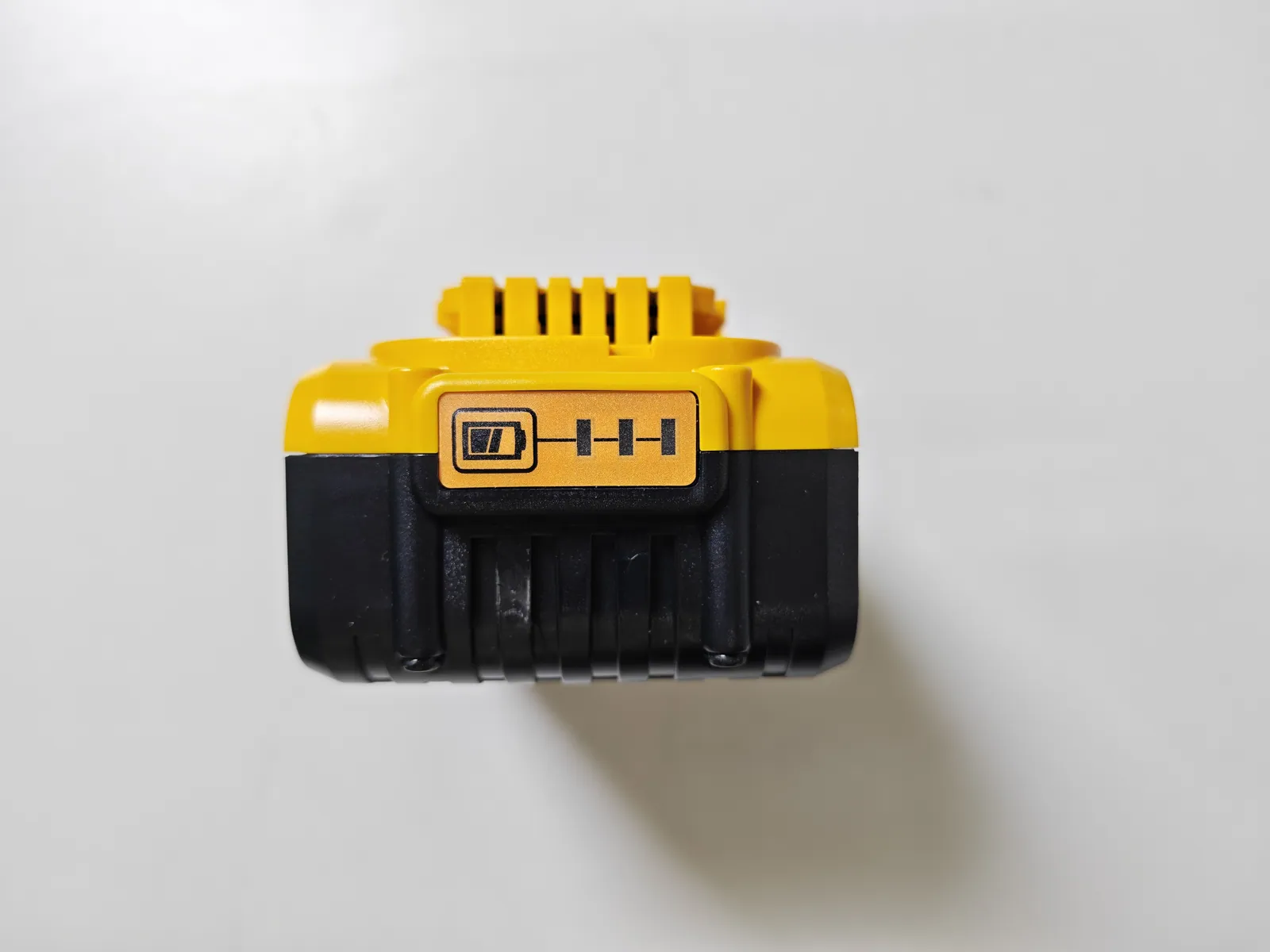
Why similar appearance is not enough
Two slide-on replacement batteries may look almost identical while differing in retention geometry, terminal mapping, electrical ratings or how the charger communicates with the pack.
A simple statement such as “18 V” or “20 V class” cannot prove fit or interchangeability. Verify the full tool, battery and charger combination against the actual product specifications and documented evaluation.
- Exact model/part numbers
- Mechanical interface and latch
- Polarity and electrical contacts
- Charging and signalling requirements
Check physical features first
Photograph the insertion rails, sliding path, housing envelope and latching area. Include close-ups of the terminals, clearances and any mechanical keys that prevent incorrect installation.
A sample fit-check can reveal issues not visible in marketing photography. Do not force a battery into a tool; use the intended product documentation and controlled evaluation.
- Photograph the tool battery compartment.
- Document the battery top and side views.
- Record any interference or latch issue during sample review.
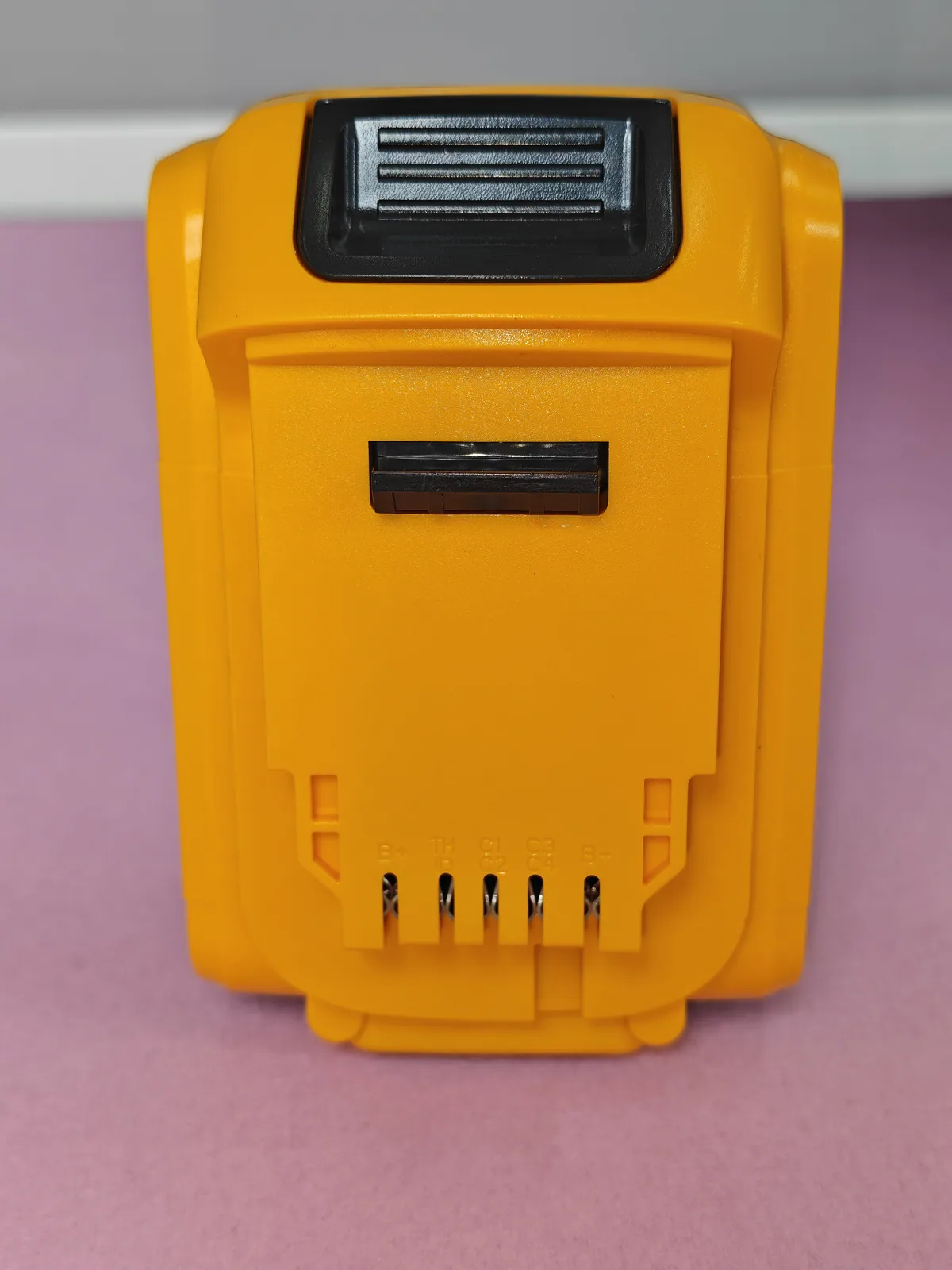
Then check electrical and charger requirements
Compare the relevant electrical specifications, including voltage, polarity, expected operating load and applicable communication or sensing functions. Consult the original equipment documentation or qualified engineering review where necessary.
If a proposed battery is sold for multiple models, ask for a model-specific compatibility list that identifies how the claim was established. Multiple tools in a promotional video do not establish interchangeability.
- Which exact charger model is intended?
- Are additional communication or temperature terminals used?
- What validation has been performed on the named models?
Selected original footage from the supplied material library. Not a certification or compatibility test.
Prepare your procurement brief
Include clear photos of labels and connectors, the exact model and region, target quantity and any test requirements. This helps a supplier evaluate the request without guessing based on color or appearance.
After sample evaluation, keep the approved bill of materials, contact mapping and model coverage aligned with the product shipped.
- Tool model and region
- Existing battery and charger references
- Reference photos and dimensional notes
- Required acceptance tests and sample approval
Record both successful and unsuccessful observations
A pack that enters a tool rail without interference has passed only a preliminary mechanical observation. Record exact equipment models and versions, how the latch engages, whether the pack is retained and how the contacts meet. The charger is a separate compatibility decision that may depend on sensing or communication. A buyer should never extrapolate a single demonstration to an entire brand family. Unsupported or unknown models should remain explicitly unconfirmed until relevant checks are completed.
Practical next step: make this a written review item with a named drawing or sample revision, evidence request and responsible reviewer. The same checklist can then be used consistently when comparing suppliers or evaluating a revised prototype.
Send a structured sample request
Useful submissions include label photographs of the original tool, reference battery and charger; front and underside views; connector and latch close-ups; measured reference dimensions; and the intended purchase quantity. Note whether the supplier should evaluate physical fit, electrical operation, charge acceptance or all three. If necessary, provide representative equipment for engineering checks. Ask for written evaluation results linked to the proposed battery revision rather than relying on a sales statement that the item 'looks the same.'
Practical next step: make this a written review item with a named drawing or sample revision, evidence request and responsible reviewer. The same checklist can then be used consistently when comparing suppliers or evaluating a revised prototype.
Buyer worksheet: evidence to collect
Use these fields before asking for a firm technical approval or quotation. A missing field should be flagged for follow-up rather than assumed to match an earlier model.
- Tool model and revision
- Battery and charger model
- Guide and latch photographs
- Connector and polarity documentation
- Controlled sample evaluation
- Unverified model exceptions
Attach the supplier supporting record and date to each field. A sample photo or video can show visible features but not certify protective performance, exact compatibility, factory ownership or transport eligibility.
A practical buyer decision scenario
Suppose a proposed replacement clicks into a cordless tool, but the sourcing team has not identified the associated charger revision. Even if the tool operates during a short demonstration, the complete compatibility decision is still unresolved. Split the evaluation into mechanical insertion and retention, electrical operation, and charger acceptance. Keep model and revision identifiers with each result. If any phase is untested, list it openly; do not promote a full platform compatibility claim based on one visible mounting action.
Review record
For each item below, name the evidence source and keep unresolved findings separate from confirmed results. Copy the rows into the project review file rather than relying on memory or a sales chat.
| Information to verify | Source and revision | Decision status |
|---|---|---|
| Tool model and revision | Document / revision / responsible reviewer: __________ | Open · Confirmed · Not applicable |
| Battery and charger model | Document / revision / responsible reviewer: __________ | Open · Confirmed · Not applicable |
| Guide and latch photographs | Document / revision / responsible reviewer: __________ | Open · Confirmed · Not applicable |
| Connector and polarity documentation | Document / revision / responsible reviewer: __________ | Open · Confirmed · Not applicable |
| Controlled sample evaluation | Document / revision / responsible reviewer: __________ | Open · Confirmed · Not applicable |
| Unverified model exceptions | Document / revision / responsible reviewer: __________ | Open · Confirmed · Not applicable |
Once the buyer and supplier have agreed the open questions, the next step is a revision-specific sample or document review. No illustrative image in this article should be treated as a passed test.
Frequently asked buyer questions
Does the same nominal voltage mean batteries are interchangeable?
No. Mechanical fit, connector assignment, electronic identification and charger behavior can differ.
Can I approve all models in a brand after testing one tool?
No. Record exact models and revisions; do not extrapolate to untested combinations.
Evidence and verification
Use current product datasheets, approved interface drawings, exact model references and revision-controlled test records for project-specific claims. If transport obligations, certification or market access is involved, the responsible specialist must verify the current requirements for the exact product and route. These illustrative images do not replace that review.
Documentation matters: These images and short demonstrations are illustrative. Compatibility, production capability, protection performance, certification and shipping eligibility must be supported by model-specific data and applicable records.