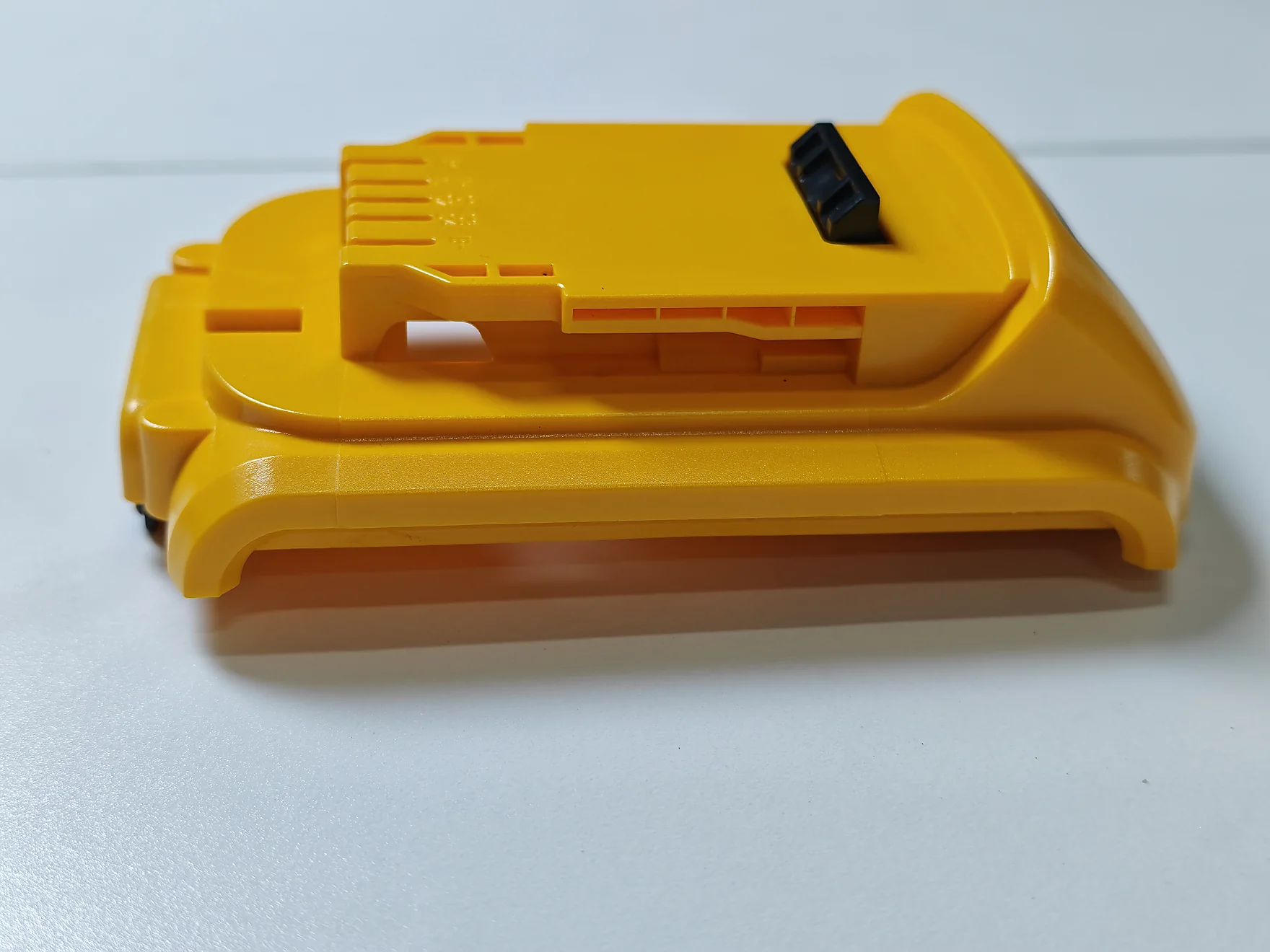
What this buyer guide helps you decide
Review enclosure geometry, guide rails, retention features and physical fit before tooling approval. This guide is written for importers, technical sourcing teams and OEM/ODM buyers who need to make an informed decision rather than rely on a product photograph or label. The goal is to identify the documents, reference samples and review questions that would make a technical discussion specific and actionable.
Use this article as a review framework, not a substitute for qualified engineering validation. The right outcome may be to request more evidence, change the requirement or postpone the purchasing decision until important interface or safety questions are resolved.
Define the mounting envelope
The nominal external shape does not tell the entire fitment story. Review slide guides, approach angle, stop surfaces, latch travel, grip clearance and neighboring tool features. A sample may seem to fit when held loosely yet fail when the tool is operated or removed repeatedly. Start with the actual tool, existing battery and charger references. Photographs help scope the problem but should be supported by dimensioned drawings and physical trial fits.
Buyer action: record the exact application and target model or design revision first. When a supplier responds, ask which part of the statement is a generic engineering principle and which part is supported by information for the battery being quoted.
Design the latch and release as a system
Retention should be considered in insertion, load-bearing, repeated cycling and deliberate release conditions. Ask for latch engagement geometry, spring or actuator details where applicable, release clearance and expected tolerances. Mismatched retention can result in an unstable interface even when electrical contacts line up. Serviceability also matters: can the customer remove the battery as intended without tools, forced bending or unintended contact with live parts?
Buyer action: ask for a drawing, datasheet or interface definition that can be compared against the physical reference. Treat any unverified number, claimed certification or visual inference as an open question rather than an approved requirement.
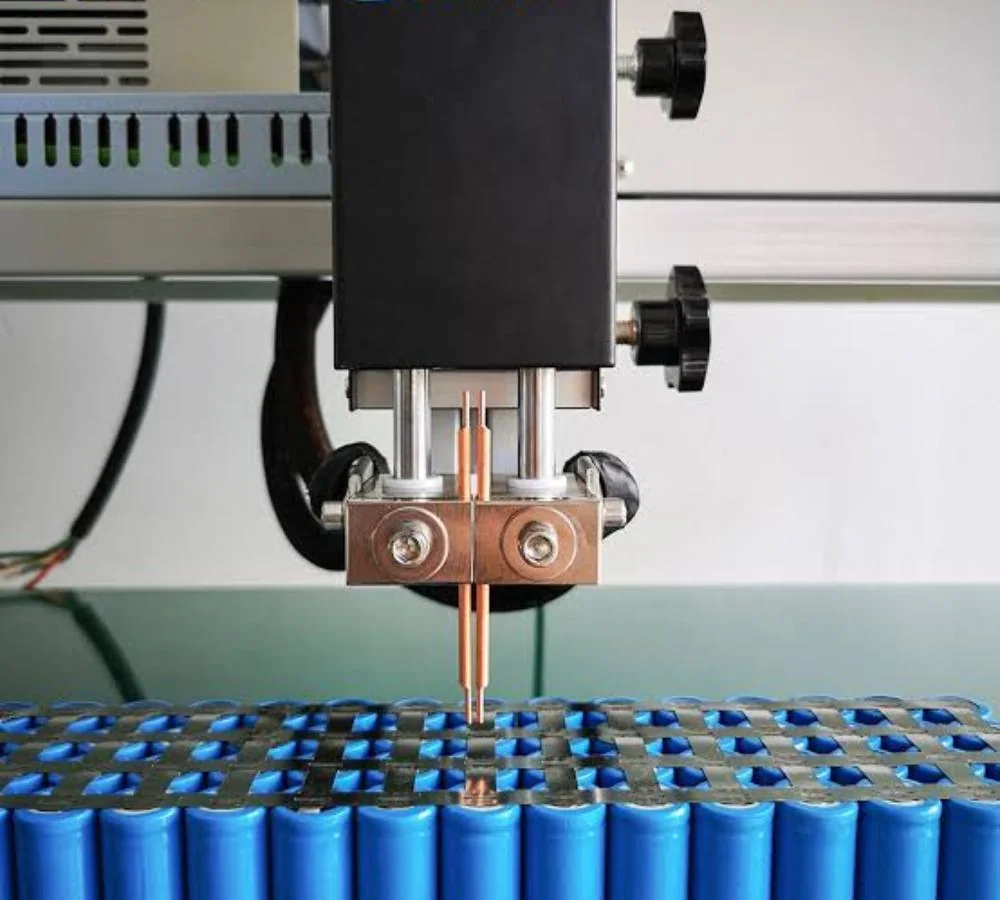
Coordinate contacts and enclosure geometry
Electrical mating features require consistent location relative to mechanical references. The drawings should align datums for the housing, terminal block and corresponding tool interface. Specify what happens at the extreme ends of acceptable dimensional tolerances, not just a nominal CAD rendering. Ensure opening and assembly methods do not put undue strain on contact carriers or wiring, and that the enclosure maintains necessary separation between internal components.
Buyer action: coordinate electrical, mechanical and sourcing reviewers instead of letting one successful demonstration stand in for all application conditions. Record open issues and the owner responsible for the answer.
Materials and environmental assumptions
Discuss impact exposure, thermal conditions, moisture or dust expectations and mechanical durability as requirements to verify, not ready-made product properties. A molded plastic appearance cannot substantiate an ingress-protection rating, flame rating or long-term fatigue behavior. Any request for a particular material grade or environmental performance needs an agreed specification and supporting test evidence. Tooling approval should follow a controlled prototype review, not just a photo match.
Buyer action: write the evidence requested, the relevant revision and the agreed acceptance conditions into the project file. This makes later quotation comparisons and sample approvals easier to audit.
Procurement worksheet: information to request
Use the following fields to create a comparison that another reviewer can follow. An unfilled field should stay marked “to confirm”—do not assume that an equivalent-looking sample has the same underlying specifications.
- Reference tool, pack and charger samples
- Enclosure dimensions and datum features
- Rail, latch and stop surface drawing
- Connector location and positional tolerances
- Material and environmental requirements
- Prototype insertion/removal approval record
For each response, store the supplier document reference, its revision, date, and the person responsible for approving it. The checklist supports discussion; it is not evidence that any test or inspection has already been completed.
Frequently asked buying questions
If a pack slides onto the tool, is it compatible?
No. Mechanical retention, contacts, electronic interaction and charging requirements may still differ.
Can one image prove an ingress-protection rating?
No. A claimed protection rating needs a defined test method and applicable evidence.
A practical buyer decision scenario
A prototype housing slides onto a tool when the latch is held open, yet does not retain normally once released. This is not a cosmetic defect to solve by forcing the part into place. Record where the guide surfaces and locking features differ from the reference. Request revised dimensions, datum controls and a sample fit test in the proper tool and charger. Only after both retention and interface requirements are addressed should the team discuss tooling approval or a broader model compatibility claim.
Review record
For each item below, name the evidence source and keep unresolved findings separate from confirmed results. Copy the rows into the project review file rather than relying on memory or a sales chat.
| Information to verify | Source and revision | Decision status |
|---|---|---|
| Reference tool, pack and charger samples | Document / revision / responsible reviewer: __________ | Open · Confirmed · Not applicable |
| Enclosure dimensions and datum features | Document / revision / responsible reviewer: __________ | Open · Confirmed · Not applicable |
| Rail, latch and stop surface drawing | Document / revision / responsible reviewer: __________ | Open · Confirmed · Not applicable |
| Connector location and positional tolerances | Document / revision / responsible reviewer: __________ | Open · Confirmed · Not applicable |
| Material and environmental requirements | Document / revision / responsible reviewer: __________ | Open · Confirmed · Not applicable |
| Prototype insertion/removal approval record | Document / revision / responsible reviewer: __________ | Open · Confirmed · Not applicable |
Once the buyer and supplier have agreed the open questions, the next step is a revision-specific sample or document review. No illustrative image in this article should be treated as a passed test.
Sources and verification boundaries
This is an educational buyer checklist. Sample imagery illustrates visible components and handling situations; it does not demonstrate performance, factory ownership, compatibility approval, testing or certifications. Validate any model-specific statements using the manufacturer’s current datasheet, approved drawings, test records and applicable shipment rules before relying on them for procurement.
For a commercial project, request records identifying the offered hardware revision and consult a qualified engineering or dangerous-goods professional where appropriate. VOLTBATT has not represented the illustrative photographs as a verified specification for your particular application.