What this buyer guide helps you decide
What connection strips, routing, insulation and inspection evidence can reveal about a proposed pack. This guide is written for importers, technical sourcing teams and OEM/ODM buyers who need to make an informed decision rather than rely on a product photograph or label. The goal is to identify the documents, reference samples and review questions that would make a technical discussion specific and actionable.
Use this article as a review framework, not a substitute for qualified engineering validation. The right outcome may be to request more evidence, change the requirement or postpone the purchasing decision until important interface or safety questions are resolved.
What interconnections actually do
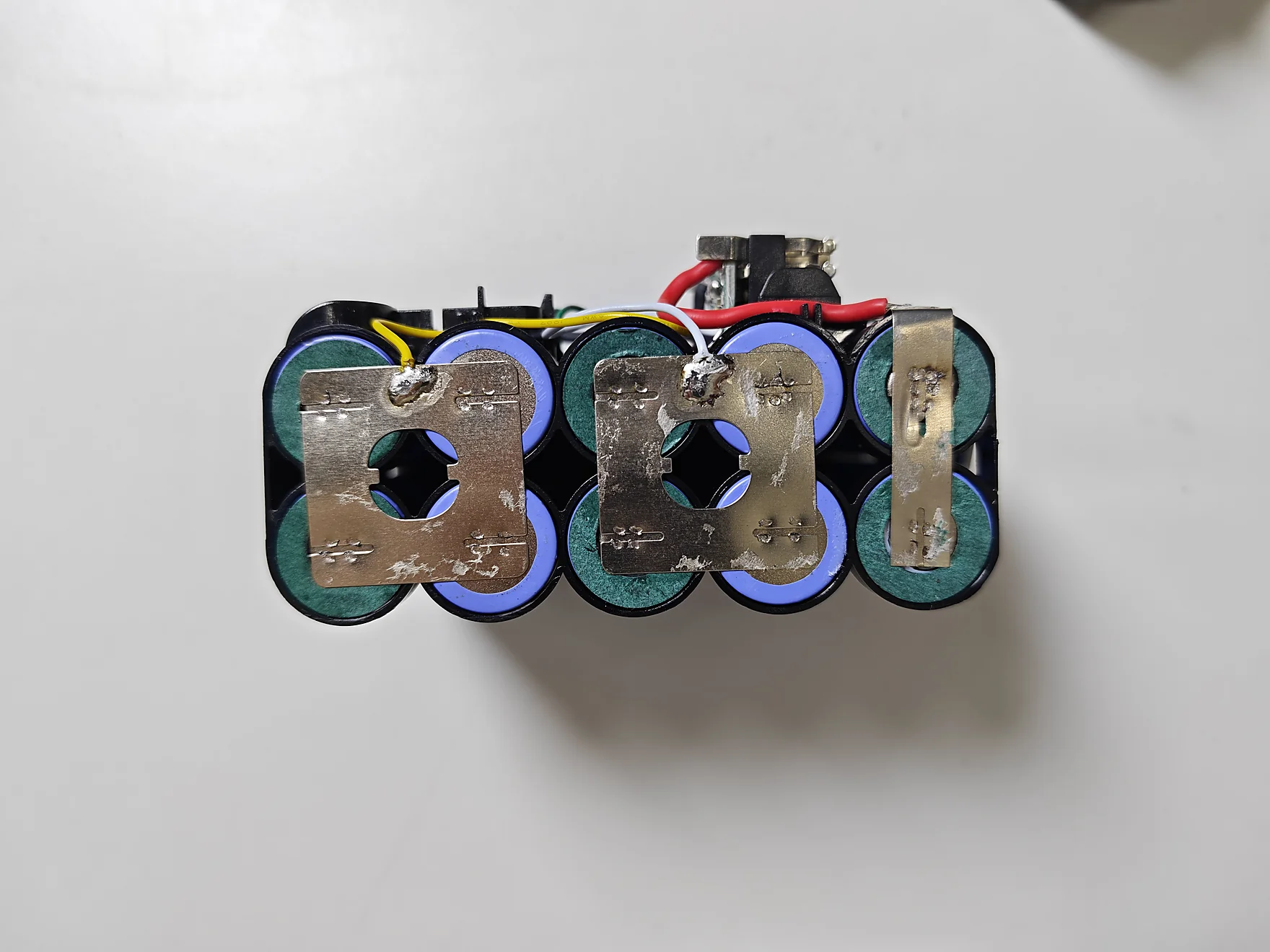
Interconnects provide the intended electrical path between cells and adjoining circuit elements while occupying limited physical space. Their material, thickness, cross section, layout and connection method are engineering decisions rather than purely cosmetic details. The visible sample photographs illustrate where conductive strips and cell ends meet; they do not disclose the exact current capability or series/parallel architecture. Ask for an approved drawing with the connection path clearly identified.
Buyer action: record the exact application and target model or design revision first. When a supplier responds, ask which part of the statement is a generic engineering principle and which part is supported by information for the battery being quoted.
Electrical paths must be reviewed as a system
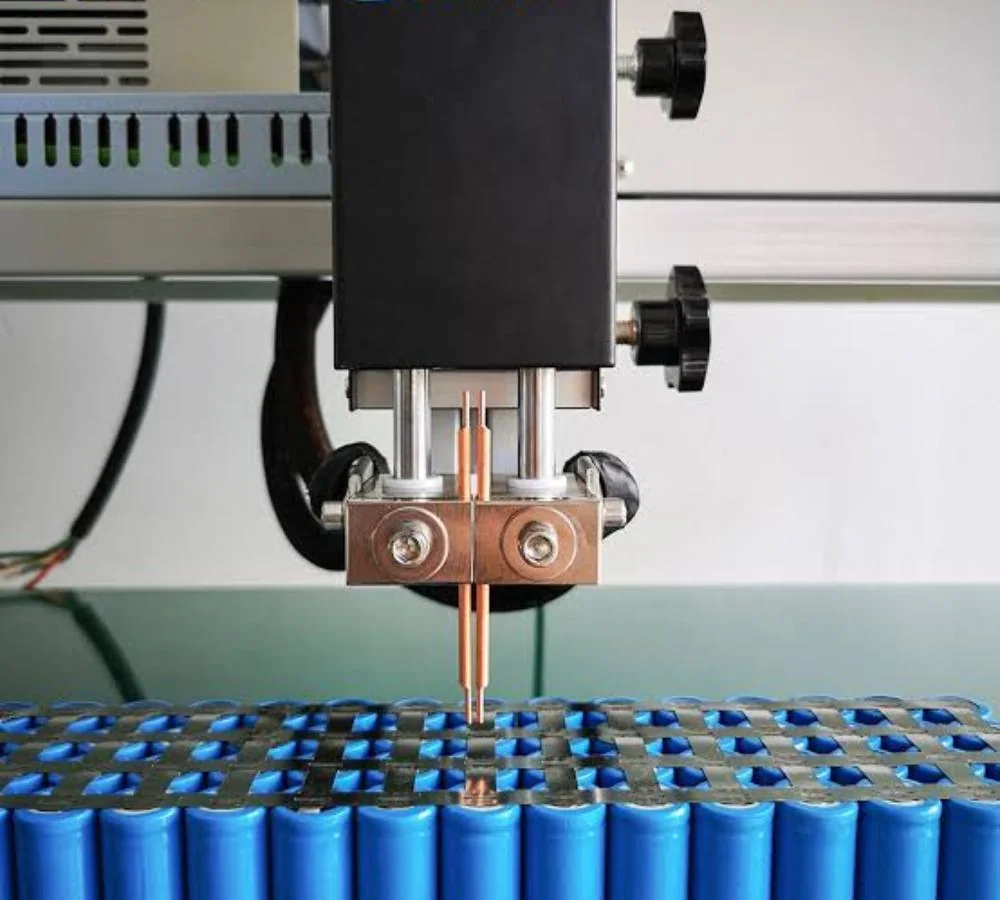
A sound interconnect review includes expected current, distribution between branches, voltage drop, joint heating and the interfaces to wires, fuses or protection hardware where applicable. Contact resistance can change with process quality and condition. Even when an interconnect appears neat in a photograph, that appearance cannot establish its performance. Suppliers should describe how they control relevant joint variables and which inspections and tests support the proposed design.
Buyer action: ask for a drawing, datasheet or interface definition that can be compared against the physical reference. Treat any unverified number, claimed certification or visual inference as an open question rather than an approved requirement.
Insulation and mechanical restraint
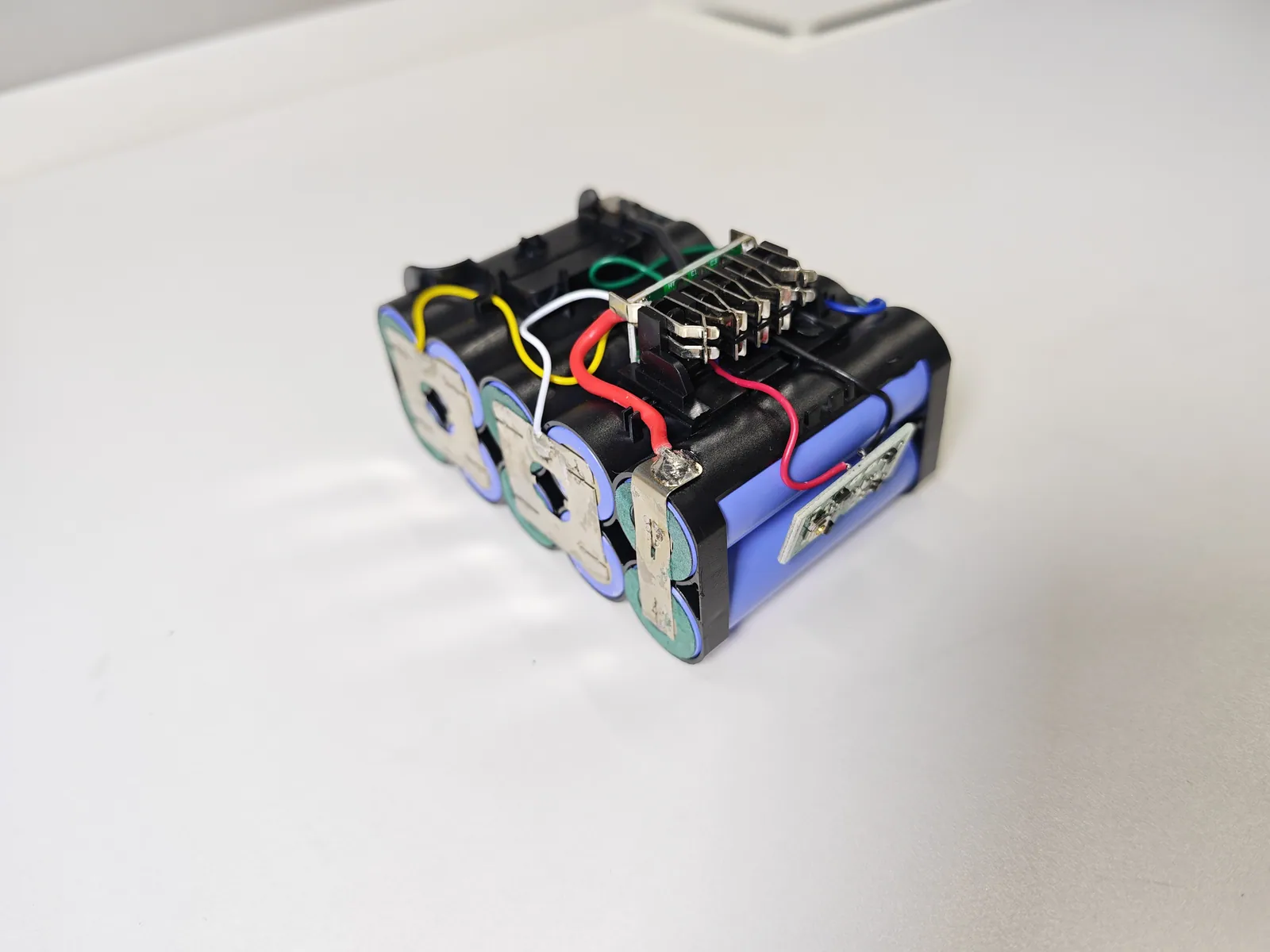
Conductive parts sit close to cells, holders and enclosure components. Clearance, insulation layers, movement under vibration and service handling should be addressed in drawings and the assembly method. Ask how adjacent conductive areas are kept from accidental contact and how routing accommodates reasonable tolerances. Packaging density alone is not the optimization target; the pack needs to function as a mechanical and electrical assembly within its intended envelope.
Buyer action: coordinate electrical, mechanical and sourcing reviewers instead of letting one successful demonstration stand in for all application conditions. Record open issues and the owner responsible for the answer.
Validate the connection, not the photograph
A buyer can request documented joint inspections, manufacturing controls, representative electrical measurements and applicable mechanical/environmental verification. The specific acceptance method should be agreed by engineering teams for the project. Do not infer weld strength, resistance or allowable discharge current from shiny metal strips. For prototype comparisons, record revision identifiers so evidence from one assembly is not silently carried over to a later change.
Buyer action: write the evidence requested, the relevant revision and the agreed acceptance conditions into the project file. This makes later quotation comparisons and sample approvals easier to audit.
Procurement worksheet: information to request
Use the following fields to create a comparison that another reviewer can follow. An unfilled field should stay marked “to confirm”—do not assume that an equivalent-looking sample has the same underlying specifications.
- Approved electrical connection drawing
- Target continuous and transient currents
- Interconnect material / dimensions / tolerances
- Insulation and mechanical restraint plan
- Joint process and inspection record
- Revision-specific test evidence
For each response, store the supplier document reference, its revision, date, and the person responsible for approving it. The checklist supports discussion; it is not evidence that any test or inspection has already been completed.
Frequently asked buying questions
Is a tidy-looking weld proof of a strong joint?
No. Appearance is only one observation; the appropriate process and verification records must support the design.
Can the series or parallel count be read from a partial image?
Not reliably. Use the approved connection diagram and product specification.
A practical buyer decision scenario
An engineering sample displays clean metal strips between cylindrical cells. The buyer asks whether the strips can handle the required transient current. Appearance alone cannot answer that. The next request should identify the interconnect dimensions and material, connection process, electrical design and supporting inspection or test results. A revision-controlled drawing allows reviewers to see where joints and insulating features are intended. If the supplier later changes conductor material or joint method, the evidence should be revisited rather than automatically carried forward.
Review record
For each item below, name the evidence source and keep unresolved findings separate from confirmed results. Copy the rows into the project review file rather than relying on memory or a sales chat.
| Information to verify | Source and revision | Decision status |
|---|---|---|
| Approved electrical connection drawing | Document / revision / responsible reviewer: __________ | Open · Confirmed · Not applicable |
| Target continuous and transient currents | Document / revision / responsible reviewer: __________ | Open · Confirmed · Not applicable |
| Interconnect material / dimensions / tolerances | Document / revision / responsible reviewer: __________ | Open · Confirmed · Not applicable |
| Insulation and mechanical restraint plan | Document / revision / responsible reviewer: __________ | Open · Confirmed · Not applicable |
| Joint process and inspection record | Document / revision / responsible reviewer: __________ | Open · Confirmed · Not applicable |
| Revision-specific test evidence | Document / revision / responsible reviewer: __________ | Open · Confirmed · Not applicable |
Once the buyer and supplier have agreed the open questions, the next step is a revision-specific sample or document review. No illustrative image in this article should be treated as a passed test.
Sources and verification boundaries
This is an educational buyer checklist. Sample imagery illustrates visible components and handling situations; it does not demonstrate performance, factory ownership, compatibility approval, testing or certifications. Validate any model-specific statements using the manufacturer’s current datasheet, approved drawings, test records and applicable shipment rules before relying on them for procurement.
For a commercial project, request records identifying the offered hardware revision and consult a qualified engineering or dangerous-goods professional where appropriate. VOLTBATT has not represented the illustrative photographs as a verified specification for your particular application.